Leave Your Message

China Best Ringlock Scaffolding Components Manufacturer?

China Best Ringlock Scaffolding Components Manufacturer? This question deserves more than a low-price comparison. Contractors need dependable Ringlock Scaffolding Components that fit accurately, support repeated assembly, and perform consistently on demanding sites. A loose rosette, weak weld, or poorly protected ledger can create delays before the first concrete pour begins.

Scaffolding engineering consultant Dr. Martin Keller states, “Quality is visible in the connection, but proven through repeated, controlled use.” That practical observation guides this article. It examines Chinese manufacturers through measurable details, including steel grade, tube thickness, welding control, dimensional tolerance, surface treatment, load testing, and production traceability. Factory experience matters, too. A serious supplier should explain how each ring, pin, base collar, standard, and brace moves from raw steel to shipment.

Look closely.

The best manufacturer is not automatically the largest exporter. It should provide clear technical documents, realistic load data, responsive inspection support, and consistent replacement availability. Independent testing can strengthen confidence, although certificates alone do not guarantee field performance. That point is easy to overlook.

This introduction also considers customization, packaging, delivery reliability, and communication with overseas buyers. Site conditions differ. Coastal humidity, uneven ground, frequent dismantling, and rushed installation can expose weaknesses quickly. No supplier is perfect, and promotional claims sometimes sound stronger than the evidence behind them. Buyers should ask difficult questions and request samples before committing to large orders.

The following outline offers a balanced way to evaluate China’s leading Ringlock Scaffolding Components manufacturers. It focuses on practical performance, not impressive slogans.

China Best Ringlock Scaffolding Components Manufacturer?

Ringlock Scaffolding Components: Definition and Core Functions

China Best Ringlock Scaffolding Components Manufacturer?

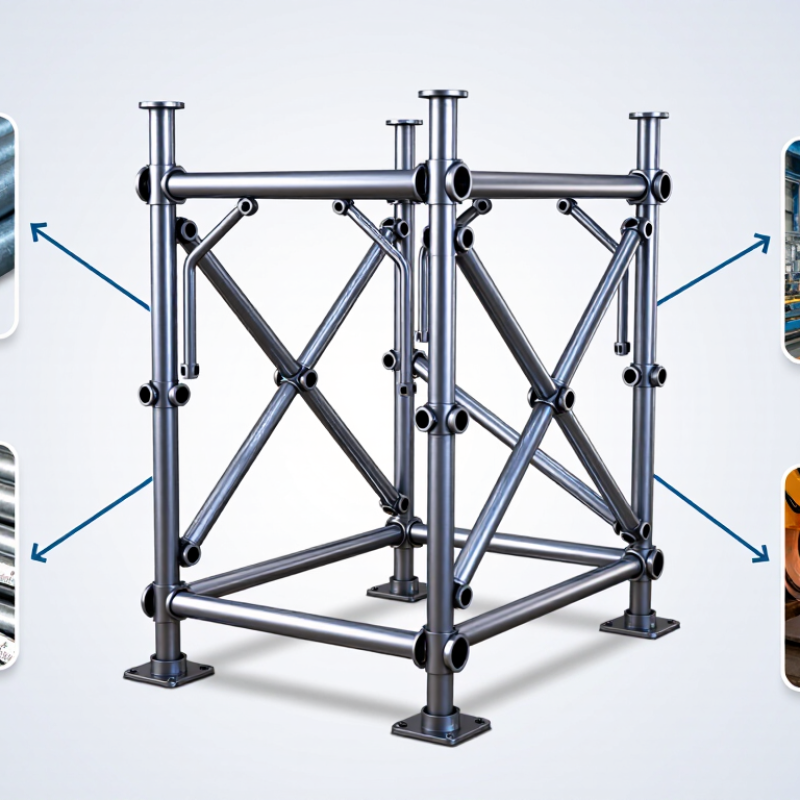
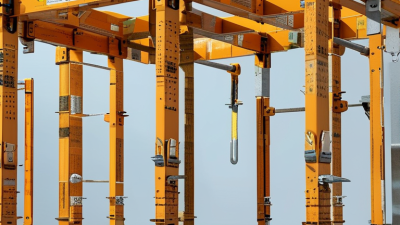
Ringlock scaffolding components form a modular access system for construction, maintenance, and industrial work. The main parts include vertical standards, horizontal ledgers, diagonal braces, rosettes, base jacks, steel decks, and guardrails. Each component has a defined function. Standards carry vertical loads. Ledgers control bay width and support working levels. Braces resist movement caused by wind, vibration, and uneven loading.

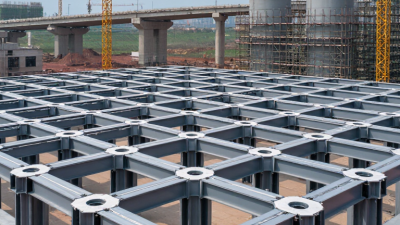
The rosette connection is the system’s central feature. A wedge fitting locks into the rosette with a hammer, creating a fast, rigid joint without loose bolts. On site, workers can build a stable bay around a concrete column or narrow passage. Base jacks help level the structure on imperfect ground. According to OSHA’s scaffold safety guidance, scaffold work involves significant fall and falling-object risks, making guardrails, toe boards, access ladders, and inspection routines essential. Small defects matter.

Industry data also shows why component quality deserves attention. The U.S. Bureau of Labor Statistics recorded 1,075 fatal work injuries in construction during 2023, highlighting the sector’s demanding safety environment. EN 12811-1 further requires temporary works equipment to address strength, serviceability, and access conditions. A stronger tube alone is not enough. Poorly fitted wedges, damaged rosettes, or missing braces can weaken the complete structure. In practice, installation records and component inspections should accompany material certificates. That assumption is useful, but incomplete. Real sites remain unpredictable.

Key Standards for Evaluating Chinese Ringlock Manufacturers

Choosing China’s best ringlock scaffolding components manufacturer requires evidence, not polished catalog language. Start with applicable standards, such as EN 12810, EN 12811, JGJ/T 231, or AS/NZS 1576. Ask for current test reports covering rosettes, standards, ledgers, pins, and base jacks. Check stated loads, steel grades, dimensional tolerances, and welding procedures. A reliable report names specimen dimensions and failure modes. “Passed” alone is weak.

Material capacity matters, but traceability matters more. World Steel Association’s World Steel in Figures 2024 records China’s 2023 crude steel output at 1,019.1 million tonnes. That scale supports supply depth, yet it does not prove consistent component quality. Request heat numbers, mill certificates, incoming inspection records, and coating-thickness results. Inspect several production batches, not one showroom sample. Look for straight ledgers, clean rosette holes, complete weld fusion, and stable galvanizing. Records matter.

Evaluate factory controls against ISO 9001 processes, but verify them on the production floor. The ISO Survey 2023 lists 1,265,216 ISO 9001 certificates worldwide; certification cannot replace product testing. Ask how nonconforming parts are quarantined, reworked, and recorded. Require independent load testing before large orders. Confirm packaging protects wedges and threads during ocean transport. Numbers can mislead. A factory may meet a standard once, then drift under delivery pressure. I would score repeatability, transparent data, and corrective action above low pricing. That judgment is imperfect, but safer than choosing from photographs.

China Best Ringlock Scaffolding Components Manufacturer? Key Standards for Evaluation

EN 12811-1 defines six service load classes for access and working scaffolds. When evaluating a Chinese ringlock manufacturer, confirm that the proposed system, components, testing documents, and technical specifications support the load class required for the intended application.

Benchmark data: EN 12811-1 service load classes, expressed as uniformly distributed loads in kN/m². Higher classes require greater verified load capacity and stricter engineering documentation.

Manufacturing Processes and Quality Control Requirements

China Best Ringlock Scaffolding Components Manufacturer?

Manufacturing Processes and Quality Control Requirements

Reliable ringlock scaffolding begins with controlled steel selection. Manufacturers should verify mill certificates, chemical composition, yield strength, and tube wall thickness before production. Incoming tubes need straightness checks and surface inspections. Small dents can become serious stress points.

The production line usually includes cutting, forming, welding, ring pressing, and protective finishing. Ring plates must fit accurately around the vertical standards. Poor alignment can affect ledger connections during assembly. Welders should follow qualified procedures, with trained inspectors checking weld shape, penetration, and visible defects. Dimensional gauges help confirm rosette spacing, socket size, pin clearance, and component length. These details matter on uneven construction sites.

Quality control must continue after fabrication. Load testing should follow the project specification and applicable safety standards. Inspectors may examine sample components for deformation, joint movement, and failure behavior. Coating thickness also requires measurement, especially after hot-dip galvanizing. Uncoated edges and trapped moisture deserve attention. They are easy to miss. Batch numbers, inspection records, and material certificates should remain traceable from production to shipment. Packaging must prevent bending and impact damage.

A strong system still needs honest review. Visual inspection alone cannot reveal every internal weld weakness. Sampling may also miss an isolated defect. Manufacturers should investigate customer feedback, update inspection points, and retrain workers when repeated problems appear. Consistency is built through evidence, not attractive claims.

China Best Ringlock Scaffolding Components Manufacturer? - Manufacturing Processes and Quality Control Requirements
Component or Process Typical Manufacturing Method Key Quality-Control Dimensions Quality Requirements and Acceptance Criteria Recommended Inspection Method Required Records
Raw Material Selection Procure structural steel tube, plate, forged parts, or cast components according to approved engineering drawings. Steel grade, chemical composition, yield strength, tensile strength, elongation, tube outside diameter, wall thickness, and straightness. Common Chinese structural steel options include Q235 and Q355, with nominal minimum yield strengths of approximately 235 MPa and 355 MPa respectively for relevant thickness ranges. The actual grade must match the approved design. Review material certificates; verify heat numbers; perform positive material identification or laboratory testing when required. Mill test certificates, incoming inspection reports, heat-number traceability records.
Tube Cutting and End Preparation Automatic sawing or CNC cutting followed by deburring, chamfering, and end-face preparation. Cut length, squareness, burrs, end deformation, tube ovality, and surface damage. Cut lengths and end conditions shall conform to the approved drawing and fitting requirements. Sharp burrs, cracks, severe dents, and blocked tube ends are not acceptable. Calibrated steel rule, vernier caliper, angle gauge, visual inspection, and periodic dimensional sampling. Cutting inspection sheet, machine setup parameters, nonconformance reports.
Rosette Manufacturing Hot forging, stamping, or precision forming of steel plate, followed by trimming and dimensional correction. Rosette thickness, outside diameter, hole geometry, hole spacing, flatness, edge condition, and weld-contact area. All connection openings must remain unobstructed and must match the approved system geometry. Cracks, incomplete forming, excessive distortion, and sharp edges are unacceptable. Go/no-go gauges, coordinate measurement, profile templates, flatness checks, and visual examination. First-article inspection report, tooling approval record, in-process inspection records.
Ledger Head and Wedge Production Stamping, forging, or machining of ledger heads and wedges, followed by deburring and assembly preparation. Head thickness, locating profile, wedge dimensions, hole alignment, contact surfaces, and insertion clearance. The ledger head must seat fully on the rosette and the wedge must lock without excessive looseness or forced assembly. Wedges must not show cracks, severe bending, or incomplete forming. Functional assembly test, dimensional gauges, visual inspection, and sample hardness testing where specified. Component inspection report, assembly-fit test results, corrective-action records.
Welding of Standards and Ledgers Qualified manual, semi-automatic, or robotic welding using approved welding procedures and suitable filler materials. Weld size, continuity, penetration, alignment, heat distortion, spatter, undercut, porosity, and visible cracks. Welds must comply with the approved drawing and welding procedure. Cracks, lack of fusion, unacceptable undercut, and incomplete welds are not permitted. Welding personnel and procedures should be qualified for the applicable work. 100% visual inspection; dimensional checks; magnetic-particle or other non-destructive testing when required by the design or purchase specification. Welding procedure specification, welder qualification records, weld inspection reports, repair records.
Straightening and Assembly Mechanical straightening, component cleaning, pressing, and trial assembly of rosettes, sleeves, pins, ledgers, and braces. Overall straightness, vertical alignment, sleeve fit, pin engagement, connection clearance, and component interchangeability. Components must assemble without unsafe forcing and must remain securely connected during handling. Bent tubes, loose permanent connections, incomplete pin engagement, and incompatible parts are unacceptable. Assembly fixtures, straightness gauges, functional fit tests, and visual inspection. Assembly checklist, interchangeability test report, fixture calibration records.
Surface Preparation Degreasing, pickling, rinsing, fluxing, and drying before hot-dip galvanizing; or abrasive preparation before painting. Oil, grease, mill scale, rust, moisture, vent holes, drain holes, and surface cleanliness. Surfaces must be sufficiently clean for uniform coating adhesion. Hollow components require suitable venting and drainage arrangements to support safe and consistent galvanizing. Visual inspection, surface cleanliness checks, bath-process monitoring, and verification of vent and drain openings. Pre-treatment process log, bath analysis records, surface-preparation checklist.
Hot-Dip Galvanizing Immersion in molten zinc after surface preparation, followed by draining, cooling, and removal of excess zinc. Coating thickness, adhesion, continuity, appearance, zinc lumps, runs, bare areas, and blocked openings. ISO 1461 minimum coating values depend on the steel thickness. For fabricated steel of 3 to 6 mm, the minimum average coating thickness is commonly 70 μm and the minimum local thickness is 55 μm. The applicable specification and sampling plan must be confirmed for the order. Magnetic coating-thickness gauge, visual inspection, adhesion assessment where specified, and sampling according to the applicable standard. Galvanizing certificate, coating-thickness readings, batch traceability records, repair records.
Dimensional and Interchangeability Inspection Final inspection against approved drawings, master samples, gauges, and system assembly fixtures. Tube dimensions, component length, rosette location, ledger-head position, pin and wedge fit, base-jack interfaces, and overall tolerance. Every critical safety-related dimension must remain within the approved tolerance. Components from the same system should be interchangeable without unsafe gaps or forced modification. Calibrated calipers, micrometers, height gauges, templates, gauges, and documented trial assembly. Final inspection report, gauge calibration certificates, sample approval records.
Mechanical and Load Testing Component testing and representative assembled-system testing under controlled laboratory conditions. Connection slip, deformation, ultimate load, residual deformation, weld performance, and failure mode. Test loads, support conditions, acceptance limits, and safety factors must follow the approved design and applicable scaffolding standard. Common references include EN 12810, EN 12811, AS/NZS 1576, or relevant national requirements. Calibrated load frame, displacement sensors, strain gauges where required, and documented test setup. Laboratory test report, equipment calibration certificates, test photographs, engineering evaluation.
Final Visual Inspection and Packaging Cleaning, component counting, identification, bundling, protective packing, and shipment preparation. Surface defects, coating damage, missing parts, sharp edges, labels, bundle weight, packaging integrity, and traceability. Products must be free from dangerous sharp projections, severe corrosion, cracked welds, blocked connection points, and unidentified mixed components. Packaging must prevent avoidable deformation and coating damage during transport. 100% visual inspection, quantity verification, random weighing, label review, and packaging inspection. Final release note, packing list, quantity record, traceability label, shipment inspection report.
Documentation and Continuous Improvement Controlled release of drawings, inspection plans, process instructions, corrective actions, and customer technical files. Document revision, traceability, nonconformance closure, supplier control, calibration status, and corrective-action effectiveness. A documented quality-management system should ensure that only approved specifications are used and that nonconforming components are identified, isolated, investigated, and dispositioned before shipment. Internal audits, process audits, document reviews, supplier evaluations, and corrective-action verification. Quality manual, inspection and test plan, audit reports, corrective-action reports, calibration register.
Technical note: The listed values and standards are general industry references. Final acceptance criteria should always be confirmed against the approved engineering drawings, contract specification, intended load class, corrosion environment, and regulations applicable to the installation country.

Product Range, Customization, and Supply Capabilities

China Best Ringlock Scaffolding Components Manufacturer?

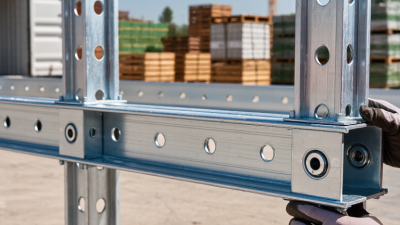
Choosing a ringlock scaffolding components manufacturer requires more than comparing prices. A dependable supplier should offer standards, ledgers, base collars, screw jacks, swivel casters, stair units, guardrails, and access platforms. Each component should fit the same rosette system without forcing connections. Inspect weld penetration, tube thickness, pin alignment, and surface treatment. Small defects can become expensive delays on a busy project.

Customization matters when projects use unusual heights, loading conditions, or restricted access. A capable factory can adjust tube lengths, rosette spacing, platform dimensions, and finish requirements. It should provide drawings, samples, material records, and inspection reports before mass production. Supply capability also includes stable raw-material sourcing, organized storage, careful packing, and realistic lead times. In practice, no supplier gets every detail right. A missed coating mark or unclear drawing can still happen, so transparent correction procedures matter. That honesty is useful.

Tips: Ask for a complete component list and compatibility chart. Request a sample assembly before ordering large quantities. Check how products are bundled, labeled, and protected during ocean transport. Confirm production capacity during peak seasons. Do not judge quality from polished photographs alone. Examine the actual welds. Talk with the technical team, not only sales staff. A reliable manufacturer answers specific questions clearly, even when the answer is not convenient.

How to Select the Best Ringlock Scaffolding Manufacturer in China

China Best Ringlock Scaffolding Components Manufacturer?

How to Select the Best Ringlock Scaffolding Manufacturer in China

Selecting a reliable ringlock scaffolding manufacturer in China requires more than comparing online prices. Look for proven production experience, clear technical documents, and consistent quality records. Ask whether the factory controls steel sourcing, welding, galvanizing, and final packing in-house. A serious manufacturer should explain rosette dimensions, ledger tolerances, tube thickness, and allowable loads without vague promises.

Inspect sample components closely. Check whether rosette holes are clean, welds are even, and galvanized surfaces resist early flaking. Do not rely on photographs alone. Request material certificates, inspection reports, and load-test data from recent production batches. An independent factory audit can reveal crowded storage areas, poor labeling, or unfinished parts hidden behind polished samples. These details matter.

During supplier discussions, ask for traceability from steel coil to packed component. Confirm the applicable regional standards and require drawings before production begins. Packaging also deserves attention; bent ledgers and mixed-size parts create expensive delays at the construction site. A lower quotation may look attractive, but thinner tubes or inconsistent welding can increase replacement costs. That lesson is easy to overlook.

No supplier is perfect. A dependable partner admits limitations and records corrective actions. Ask how complaints are handled, how quickly replacement parts are provided, and who approves design changes. If answers remain general, pause before placing an order. Small tests often reveal more than confident sales language.