
+86 18531742341
Choosing Ringlock System Scaffolding in 2026 is not just a matter of comparing prices. The right choice depends on the work, the ground, the required platform height, and the loads crews will place on each level. OSHA estimates that about 2.3 million construction workers use scaffolds, and that proper scaffold protection could prevent roughly 4,500 injuries and 50 deaths each year. These figures underline a practical point: connection quality and planning matter as much as speed of assembly. OSHA’s scaffold rule sets a clear benchmark: “Each scaffold and scaffold component shall support, without failure, its own weight and at least 4 times the maximum intended load” (29 CFR 1926.451(a)(1)).
For a real project, inspect the details you can touch. Check rosette welds, ledger ends, base plates, and the fit of each wedge connection. Ask for load tables, material traceability, inspection records, and clear assembly guidance—not just a polished product sheet. A qualified scaffold engineer should verify the configuration against site conditions and intended use. No single system suits every job. That is easy to forget when a supplier promises faster erection.
This guide examines the questions buyers should ask before selecting a system: component compatibility, load capacity, corrosion protection, supplier support, and lifecycle cost. It uses OSHA’s requirements as a safety reference, not as a substitute for project-specific engineering. Some product claims may sound convincing; verify them against documents and the actual components. A few minutes of scrutiny can prevent expensive surprises later.

Before selecting ringlock components, define the work clearly. Record platform height, bay lengths, access points, crew size, and materials stored at each lift. A bricklaying bay carries different loads from a painting platform. Include temporary loads, such as a pallet being moved, rather than counting only workers. This is where estimates often drift.
OSHA’s scaffold standard, 29 CFR 1926.451(a)(1), requires scaffolds to support their own weight and at least four times the maximum intended load. Use that benchmark in planning, then have a qualified person verify the actual configuration and load assumptions. OSHA also specifies platforms at least 18 inches wide where practicable. Small details matter. Check whether that width fits beside façades, pipes, and projecting ledges.
Walk the site before specifying the system. Note soft ground, slopes, drains, overhead obstructions, wind exposure, and available tie-in points. A base plate on compacted, level ground is not equivalent to one beside a trench or on filled soil. Confirm ground support and foundation details with a competent professional; do not assume adjustable base jacks solve weak soil. I would revisit the layout after the first site walk, because access routes and storage areas are easy to overlook on drawings.
How to Choose Ringlock System Scaffolding in 2026?
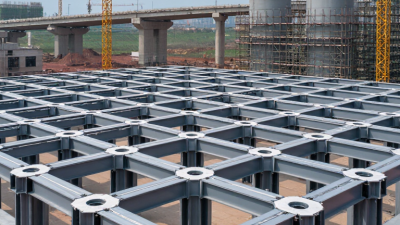
Identify the components before comparing system configurations. Standards are the vertical members, with circular rosettes welded at regular intervals. Ledgers connect standards horizontally, while diagonal braces resist sway. Base jacks help level the structure on uneven ground. Decks, guardrails, and access ladders complete the working platform. Small parts matter. Check that locking pins engage fully and that each connection fits without forcing it.
Configuration depends on the work area, platform height, access needs, and expected loads. A straight façade may need a simple bay layout, while a curved surface or tight corner can require shorter bays and additional bracing. Measure the site, including obstructions such as pipes and doorways. Then confirm platform widths and access points against the project plan. A neat drawing can still miss a real obstruction.
Before assembly, compare every component with the system’s technical documents. Load capacity can change with bay length, height, bracing, and tie spacing, so avoid relying on a single rating. Have a qualified person check the design and inspect components for bent tubes, damaged rosettes, or worn locking parts. I would not treat compatibility as obvious; similar-looking pieces may not connect safely. The right configuration is the one that fits the actual task and can be assembled, checked, and used as specified.
Identify Ringlock Components and System Configurations
Commonly offered nominal bay-length modules are shown for configuration planning; available sizes vary by system. A typical ringlock setup uses rosette standards, ledgers, diagonal braces, base jacks, and decks. Confirm dimensions, load limits, and compatible components against the selected system’s technical documentation.
Compare materials, load ratings, and applicable standards before choosing a ringlock system. Steel standards and ledgers should have documented grades, consistent dimensions, sound welds, and corrosion-resistant finishes. Inspect rosettes, wedge heads, and locking pins; small defects can affect connections. Galvanizing helps protect steel, but it does not make damaged parts safe. Ask for inspection records and traceable product documentation.
Check the rated capacity for the complete configuration, not just one component. Working loads depend on bay size, lift height, ties, platforms, and how loads are distributed. Confirm the intended duty class and design assumptions with a qualified scaffolding professional. Standards vary by region and project. Verify that the system’s test reports and conformity documents match local requirements; a familiar standard name alone is not proof of suitability. Paperwork can look reassuring. It still needs checking.
Tips: Compare like with like. Request a load schedule, material certificates, and assembly guidance. Note any missing information, and resolve it before work begins. A quick site review may catch details a spreadsheet misses.
Choosing ringlock system scaffolding in 2026 means assessing more than the quoted price. Ask suppliers for material specifications, quality-control records, inspection documents, and load data for the exact configuration you plan to use. A polished brochure is not proof. Request sample components and check weld finish, pin fit, and identification marks. Small details matter.
Compatibility deserves its own check. Compare rosette spacing, standard dimensions, ledger lengths, and connection details against your existing equipment and drawings. Do not assume parts from different systems will fit safely because they look similar. Ask the supplier for written compatibility information, then have a qualified person review the proposed setup. This step can feel slow, but a mismatch discovered after delivery is worse.
Calculate total ownership costs over the period you expect to use the equipment. Include freight, unloading, storage, inspections, replacement parts, repairs, and staff training—not just purchase price. For example, a lower-cost package may require extra ledgers or adapters at a tight site, adding cost and handling time. Delivery reliability and spare-part availability also affect project schedules. Estimates will never be perfect; record your assumptions and revisit them after actual use.
Before selecting ringlock system scaffolding in 2026, check whether its safety documents match the worksite conditions. Request clear erection instructions, component specifications, load information, and inspection criteria. Confirm that standards, ledgers, braces, and base jacks are compatible; similar-looking parts are not automatically interchangeable. Keep these documents available where crews can use them, not buried in an office folder.
Set an inspection routine before the first platform is used. A competent person should check the scaffold after erection, alteration, impact, or severe weather, following applicable local requirements. Look closely at wedge connections, rosettes, locking pins, base plates, ties, and access points. Record defects, dates, and corrective actions. A quick visual check helps, but it cannot replace a proper inspection. Even a tidy checklist can miss a loose connection behind a platform.
Maintenance provisions matter just as much. Ask how damaged parts are identified, isolated, repaired, or removed from service. Bent standards, cracked welds, heavy corrosion, and worn locking components should not return to use without an approved assessment. Store cleaned components off the ground, where water cannot collect inside tubes. I still find storage easy to underestimate; it can quietly shorten equipment life. Avoid improvised repairs, and make sure workers know whom to tell when a component feels loose or looks wrong.
| Selection Dimension | What to Verify | Practical Acceptance Check | Inspection or Maintenance Provision |
|---|---|---|---|
| Design and load capacity | Confirm the scaffold configuration, intended use, platform loads, maximum height, tie pattern, and applicable design requirements. | Obtain configuration-specific drawings or calculations where required. Check that the stated duty rating and permitted loads match the planned work, workers, tools, and materials. | Keep the approved design and load information available to the site team. Reassess the design before changing the height, layout, loading, or tie arrangement. |
| Standards, ledgers, and rosette connections | Check that compatible system components are supplied and that standards, ledgers, transoms, and rosette connections are free from damage or excessive deformation. | Confirm members seat correctly and connection wedges or locking devices can be fully engaged. Do not force mismatched parts into an assembly. | Inspect components before use and during erection. Quarantine bent, cracked, heavily corroded, or otherwise suspect parts for assessment by a qualified person. |
| Base support and foundations | Verify the supporting ground or structure can carry the scaffold loads and that base plates, adjustable base jacks, and sole boards are appropriate for the conditions. | Check for firm, level support and signs of settlement, washout, or movement. Use a designed solution where the ground or supporting structure is uncertain. | Recheck support after heavy rain, ground disturbance, impact, or visible settlement. Do not use loose packing or unstable objects to level the scaffold. |
| Bracing, ties, and stability | Verify required plan and façade bracing, ties, tie locations, and restraint to the supporting structure against the approved design and applicable rules. | Check that braces and ties are present, securely connected, and not obstructed or removed. Confirm any proposed tie alteration has been reviewed before work proceeds. | Inspect after alterations, impact, severe weather, or any event that could affect stability. Restore missing or disturbed components before access is allowed. |
| Platforms and edge protection | Check platform width, support, decking condition, gaps, and the required guardrails, intermediate rails, and toe boards for the work area. | Ensure platforms are secured against displacement and are suitable for the intended loads. Verify edge protection is complete wherever required by the design and local regulations. | Check before use and after platform changes. Replace damaged or unsecured decking and keep access routes and working platforms clear of unnecessary materials. |
| Safe access and egress | Confirm the planned access method, such as a suitable stair unit or ladder arrangement, and check that access openings are protected as required. | Access should be stable, secured, and unobstructed. Workers should not climb standards or ledgers unless the system and applicable rules specifically permit the method. | Include access points in routine inspections. Keep ladders, stairs, landings, and openings in serviceable condition and free from stored materials. |
| Inspection responsibilities and timing | Identify who is qualified and authorized to inspect the scaffold, and establish inspection triggers that meet the governing jurisdiction’s requirements. | Where OSHA requirements apply, scaffolds are inspected by a competent person before each work shift and after any occurrence that could affect structural integrity. Other jurisdictions may set different requirements. | Record the inspection date, inspector, scaffold location or identification, findings, and corrective actions. Reinspect after significant alteration or potentially damaging events. |
| Defect control and component traceability | Ask how damaged, incompatible, or unidentified components are identified, separated, and prevented from returning to service. | Check that site procedures allow workers to report defects and that rejected items are clearly segregated from usable stock. | Maintain records of inspections, repairs, and component disposition where required by the project or local rules. Replace or repair parts only through an approved process. |
| Weather and environmental exposure | Consider wind exposure, rain, ice, temperature, corrosive conditions, nearby traffic, and other site-specific hazards in the scaffold design and work plan. | Verify any sheeting, netting, or enclosure has been considered in the stability design because it can increase wind loading. | Set clear stop-work and reassessment triggers for hazardous conditions. Inspect for movement, corrosion, ice, or other damage before resuming work. |
| Maintenance and storage | Review the supplier’s instructions for cleaning, inspection, repair, handling, and storage of system components. | Confirm there is a practical process for keeping components clean, organized, and protected from avoidable impact or prolonged exposure that could accelerate deterioration. | Remove defective components from service. Repairs should follow the manufacturer’s instructions or be assessed by a qualified person; do not make unapproved modifications such as field welding or heating. |
| Training and handover | Verify workers and supervisors receive training appropriate to their scaffold duties, including hazards, access, loading limits, and defect reporting. | Before handover, check the erected scaffold against the approved design and site requirements, and communicate restrictions and outstanding actions to users. | Keep training and handover records where required. Brief users again when the configuration, site conditions, or access restrictions change. |
Note: Requirements vary by country, project, scaffold configuration, and intended use. Use the applicable regulations, approved design, and system-specific instructions as the controlling references; this table is a selection checklist, not a substitute for competent design or inspection.