How to Choose Ringlock Scaffolding Accessories
Choosing Ringlock Scaffolding Accessories is not simply a matter of matching colors or counting rosettes. On active projects, small components often determine whether a scaffold feels stable, efficient, and easy to inspect. A base collar, adjustable base jack, ledger, brace, or platform has a specific role. Field experience shows that overlooked details can create uneven levels, awkward access, and repeated adjustments. The right selection begins with the scaffold system, working height, bay dimensions, platform loads, and site conditions.
Reliable decisions require more than a supplier’s product photograph. Check verified dimensions, steel grade, surface treatment, connection type, and stated load capacity. Confirm that every accessory fits the manufacturer’s ringlock standard. Compatibility matters. A jack thread that binds can delay erection, while a poorly matched brace can affect alignment. Clear technical drawings and traceable inspection records are more useful than confident sales language. However, documents may still contain gaps, so measurements should be checked before delivery and again during assembly.
Weather, ground firmness, transport limits, and crew experience also influence the choice. Wet soil may require different foundation planning, while confined spaces can make standard platforms impractical. Keep it practical. Inspect pins, welds, decks, and locking heads for damage, deformation, or corrosion. Use trained personnel and follow applicable project specifications and manufacturer instructions. This guide examines the details that deserve attention, while acknowledging one limitation: no accessory list can predict every site problem. Careful review remains essential.
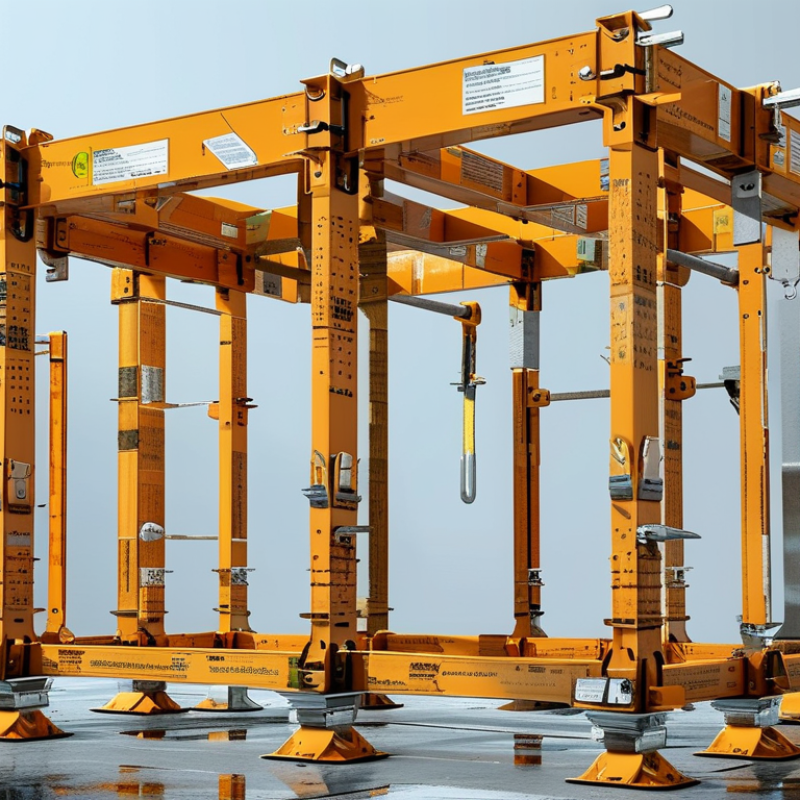
Understanding the Role of Ringlock Scaffolding Accessories
Ringlock scaffolding accessories determine how a scaffold carries loads, manages movement, and supports daily work.
The main frame provides structure, but accessories make that structure usable. Base collars help transfer loads into standards, while adjustable base jacks level uneven ground. On a real site, a small slope can create a serious alignment problem.
Ledgers and transoms control bay width and platform support. Diagonal braces resist sway caused by wind, workers, and moving materials. Guardrails and toe boards protect open edges, especially around stair access and raised platforms. Stair units can also reduce unsafe climbing across horizontal members. Each accessory has a specific role. Mixing functions carelessly weakens the system.
Selection should begin with the intended load, working height, ground condition, and access needs.
Check socket dimensions, locking mechanisms, wall ties, and allowable adjustments before purchase. Components should be inspected for bent rosettes, cracked welds, damaged pins, and heavy corrosion. Clean parts are easier to assess. Certification and traceable inspection records support reliable decisions, but paperwork alone cannot replace a physical check.
Experience often reveals overlooked details.
A base jack may have enough adjustment, yet still sit poorly on soft soil. A platform may fit the bay but leave an awkward gap near a corner. That gap matters. Weather, repeated assembly, and rushed handling can change performance over time. No checklist is perfect. Inspectors should question unusual movement, uneven loading, and accessories that seem “almost compatible.”
Checking Compatibility with Ringlock System Components
How to Choose Ringlock Scaffolding Accessories
Checking Compatibility with Ringlock System Components
Compatibility begins with accurate measurements. Check the rosette diameter, ledger ends, standard tubes, and connection spacing. Small differences can prevent proper engagement. Measure the tubes with calipers when specifications are unclear. Do not rely only on photographs or general descriptions.
Match each accessory to the system’s load requirements. Base jacks must fit the standard tubes and provide enough adjustment range. Adjustable screw jacks should move smoothly without excessive play. Ledgers must seat fully into the rosettes, with wedges locking securely. For platforms, confirm the deck width, support spacing, and anti-lift features. Guardrails, toe boards, stairs, and caster assemblies also need matching connection details.
Fit matters most.
On a previous project, I assumed a similar-looking ledger would connect correctly. That assumption was wrong. The wedge entered the rosette, but it did not lock evenly. We replaced the parts before loading the scaffold. This experience reinforced a basic rule: test one complete bay before ordering large quantities.
Ask suppliers for technical drawings, material grades, dimensional tolerances, and documented load data. Check whether accessories are intended for the same ringlock configuration and service conditions. Inspect galvanizing, welds, pins, and locking parts for damage. A qualified scaffold professional should verify the final arrangement, especially near edges, uneven ground, or changing loads. Keep records of measurements and trial fittings. They make future replacement decisions faster and more dependable.
Evaluating Safety, Strength, and Material Quality
How to Choose Ringlock Scaffolding Accessories
Evaluating Safety, Strength, and Material Quality
On busy construction sites, I have learned that small accessories can affect an entire scaffold system. I check base jacks, rosettes, ledgers, braces, decks, and guardrails before installation. Each part should fit correctly, without forced connections or excessive movement. Safety comes from compatibility, not appearance alone. A competent person should inspect the assembled structure and confirm the required load capacity.
Strength deserves practical attention. I examine welds for cracks, bent tubes, damaged threads, and deep corrosion. Locking wedges must seat fully against the rosette. Adjustable components should move smoothly and hold position under expected loads. I also compare the accessory’s rated capacity with workers, tools, materials, and weather exposure. More capacity is not automatically better. Poor assembly can weaken strong components.
Material quality often reveals itself through details. Steel should have consistent wall thickness, clean welds, and reliable corrosion protection. Galvanized surfaces should not show large flakes or bare patches. I ask for traceable inspection records and clear product specifications. Vague claims are warning signs. I once focused too heavily on price and overlooked replacement availability. That choice created delays later. Now, I inspect samples, verify dimensions, and ask difficult questions before ordering. Quality checks can feel slow, but shortcuts deserve a second thought.
Selecting Accessories for Efficient Assembly and Maintenance
How to Choose Ringlock Scaffolding Accessories
Efficient ringlock scaffolding starts with accessories that match the system, task, and site conditions. Select adjustable base jacks for uneven ground and suitable base collars for stable vertical alignment. Use ledgers, transoms, guardrails, toe boards, and access stairs according to the working height and load requirements. Measure bay widths before delivery. A few centimeters can disrupt the entire assembly.
Keep assembly practical. Choose lightweight components when crews must reposition platforms frequently. Select locking pins that are easy to inspect without special tools. Clear access routes reduce climbing over ledgers and lower handling risks. Experienced supervisors should verify connections, plumbness, platform gaps, and foundation conditions during erection. Do not rely on appearance alone. A tight-looking joint may still be incorrectly seated.
Maintenance accessories deserve equal attention. Use labeled storage racks, protective caps, cleaning brushes, and inspection tags to control component movement. Remove mud from rosettes and pins before storage. Check for cracks, heavy corrosion, bent tubes, damaged welds, and missing locking parts. Never force a distorted component into place. Replace it or send it for qualified assessment. Small defects grow quickly under repeated loading. Field teams sometimes overlook simple items, especially during rushed dismantling. That is worth questioning. A clear checklist, regular training, and records of inspections make accessory selection more reliable and easier to defend against changing site conditions.
How to Choose Ringlock Scaffolding Accessories
Selecting accessories for efficient assembly and maintenance
The benchmark scores prioritize accessories that improve compatibility, load-path continuity, assembly speed, inspection access, and resistance to site conditions. Select components that match the ringlock system, expected loads, working height, ground conditions, and local scaffold regulations. Inspect locking pins, jacks, braces, couplers, and adjustable components before use and replace damaged or deformed parts.
Scores are planning benchmarks rather than universal regulatory requirements. Always follow the applicable safety standard, engineering design, and supplier instructions.

 +86 18531742341