Scaffolding Ladder Buying Guide for Global Suppliers?
Choosing the right scaffolding ladder can greatly impact safety and efficiency. According to industry expert John Miller, "A quality scaffolding ladder is essential for a secure work environment." His insights reflect the importance of selecting reliable equipment.
In the scaffolding ladder market, options abound, yet navigating this can be overwhelming. Many suppliers promise quality, but not all deliver. Familiarizing yourself with key features is crucial. For instance, consider the materials used and the ladder's weight capacity. The right choice ensures both durability and safety during tasks.
Reflecting on past experiences, it's clear that even minor oversights can lead to risks. Mistakes in selection can compromise worker safety. Keeping this in mind, careful research is vital. A well-informed choice benefits both the project and its workers, promoting a safer workplace.
Understanding Different Types of Scaffolding Ladders Available Globally
When considering scaffolding ladders, it’s crucial to understand the various types available globally. Each type serves a specific purpose and comes with distinct features.
A-frame ladders offer stability and versatility, ideal for smaller tasks.
Extension ladders provide extra height for taller buildings.
Step ladders are perfect for indoor use, being easy to move around. These different designs cater to the needs of various projects.
Tips: Always choose a ladder that suits your work environment. For outdoor tasks, consider weather-resistant materials. For indoor use, lightweight options can enhance maneuverability.
Another important aspect is safety. Inspecting the ladder before use is essential. Look for any signs of wear or damage. Make sure the ladder is on a stable surface. If it wobbles, re-evaluate its placement. This step cannot be overlooked.
Tips: Always use a ladder with an appropriate load capacity. Check the weight limits to avoid accidents. Training on proper ladder use can significantly reduce risks.
Key Features to Consider When Choosing a Scaffolding Ladder
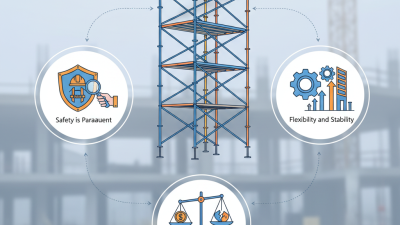
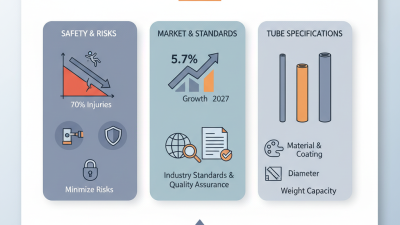
When selecting a scaffolding ladder, several key features must be considered. Safety is paramount. Look for a ladder that has robust construction and non-slip rungs. It should comply with relevant safety standards. Additionally, stability plays a crucial role. A ladder with wide base support can help prevent tipping. Always check the weight capacity as well, to ensure it aligns with your needs.
Portability is another important factor. Lightweight materials make transportation easier. However, ensure that lightweight does not compromise strength. Consider the ladder's height adjustment options. Some tasks require different heights, so versatility is beneficial. Finally, ease of assembly matters. Complex setups can waste time and affect safety. A ladder that is quick to set up is often more reliable on job sites.
Reflecting on your specific needs can enhance the decision-making process. Think about how often you will use the ladder. If it is for occasional tasks, ease of storage might be more important. Compare various options and gather feedback from other users. This practice can lead to a more informed and satisfying purchase decision.
Scaffolding Ladder Features Comparison
Safety Standards and Regulations for Scaffolding Ladders Worldwide
When selecting scaffolding ladders, understanding safety standards is crucial. Different regions have various regulations governing ladder safety. In the U.S., the Occupational Safety and Health Administration (OSHA) provides guidelines to ensure user safety. They emphasize stability and load capacity as key factors in ladder design.
Internationally, the ISO (International Organization for Standardization) sets standards that are widely recognized. These standards help in minimizing accidents during construction. They focus on materials, design, and maintenance practices. Compliance with these standards is not just beneficial; it is vital for preventing workplace injuries.
However, while manufacturers strive to meet these standards, not all do so consistently. There have been instances where ladders failed safety tests due to poor construction. This underlines the need for thorough inspections and user awareness. Ensuring a reliable ladder goes beyond checking labels; it involves understanding the safety measures in place and relying on credible suppliers.
Evaluating Global Suppliers: Quality, Pricing, and Customer Support
When evaluating global suppliers for scaffolding ladders, quality is paramount. A recent report by the Global Industry Analysts found that 42% of construction site accidents relate to improper ladder use. Ensuring that suppliers adhere to stringent quality standards is crucial. Certifications like OSHA and ANSI can serve as reliable indicators of quality. Additionally, customer reviews can provide insight into a supplier's reliability. Regular assessments of material quality can expose hidden defects, urging suppliers to enhance their production processes.
Pricing is another key factor. According to a survey by Markets and Markets, 57% of businesses stated that cost is the primary consideration when selecting suppliers. However, it’s essential to balance price with quality. A cheaper ladder may compromise safety and longevity. Businesses should require suppliers to provide detailed cost breakdowns. This transparency can foster trust and enable informed decisions.
Customer support is equally significant. A study by Statista revealed that 70% of consumers value excellent customer service. Suppliers should offer comprehensive support throughout the purchasing process. This includes timely communication, easy returns, and technical assistance. If a supplier fails in this area, it can reflect poorly on your business. Observing these factors can lead to better supplier partnerships and improved safety on job sites.
Scaffolding Ladder Buying Guide for Global Suppliers
| Supplier Location |
Quality Rating (1-5) |
Average Price per Unit ($) |
Customer Support Rating (1-5) |
| North America |
4.5 |
150 |
4.7 |
| Europe |
4.2 |
130 |
4.3 |
| Asia |
4.0 |
120 |
4.1 |
| Australia |
4.6 |
160 |
4.6 |
| South America |
3.8 |
110 |
3.9 |
Tips for Maintenance and Care of Scaffolding Ladders
Maintaining scaffolding ladders is essential for safety and longevity. Regular checks are crucial. Look for visible signs of wear, such as rust or weakened joints. Inspect rungs for cracks or deformation. These small signs can lead to significant accidents if ignored. A ladder that seems sturdy today may fail tomorrow.
Proper cleaning can extend ladder life. Use non-corrosive cleaners to remove debris. After each use, wipe down the rungs and frames. Store the ladder in a dry place. Moisture can cause rust, a silent yet harmful enemy. Consider using protective covers for added security.
Training workers in ladder care is often overlooked. Encourage them to report any damages immediately. This proactive approach helps prevent bigger issues. Also, holding periodic safety sessions can raise awareness. Reflecting on past incidents can foster a culture of safety. Establishing these practices creates a robust maintenance routine.

 +86 18531742341