Essential Tips for Choosing the Right Scaffold Tube?
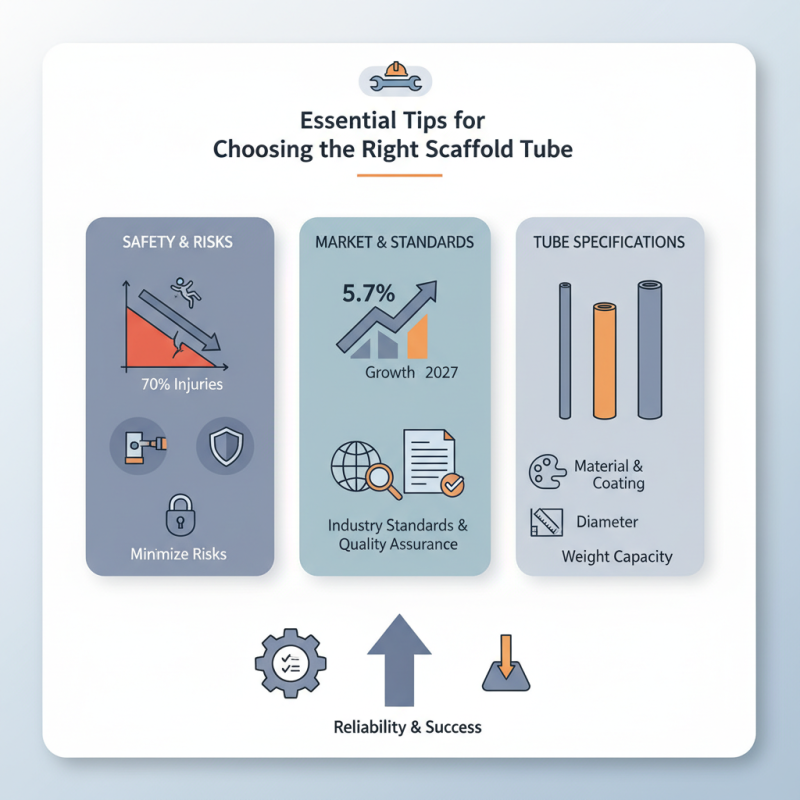
Choosing the right scaffold tube is crucial for ensuring safety and efficiency on construction sites. According to a report by the Global Construction Industry, improper scaffolding can lead to a staggering 70% of construction-related injuries. These injuries often stem from using inadequate materials or poorly designed structures. Selecting high-quality scaffold tubes plays a significant role in minimizing these risks.
The scaffold tube market has seen a surge in demand, with an expected growth rate of 5.7% annually through 2027. This growth highlights the need for professionals to understand which tubes meet strict safety standards. Scaffold tubes vary significantly in material, diameter, and weight capacity. Therefore, knowing the right specifications can greatly impact a project's success.
While many contractors may overlook these details, the consequences can be severe. Each choice, from the tube’s coating to its structural integrity, affects overall safety. Quality assurance and compliance with industry standards should never be compromised. Ultimately, investing time in selecting appropriate scaffold tubes is essential for reliability and long-term success.
Understanding Scaffold Tube Specifications and Standards
When selecting scaffold tubes, understanding specifications and standards is crucial. Scaffold tubes must meet specific load-bearing requirements. This ensures safety on the job site. Tubes are typically made from steel or aluminum. The gauge of the tube influences its strength and durability. For heavy-duty projects, opt for thicker tubes. Thinner ones might bend or break under pressure.
Standards such as EN 39 in Europe ensure quality and safety. These standards outline dimensions, weight specifications, and material requirements. Inspect the tube's surface for defects. Corrosion can weaken the structure over time. Be mindful of the maximum load and usage conditions. Some tubes may not be suitable for specific environments.
Choosing a tube that meets rigorous standards can prevent accidents. Reflect on your project needs before making a decision. Sometimes, a cheaper option can lead to higher long-term costs. Investing in quality now can save you from future headaches. Always prioritize both safety and compliance in your selection process.
Evaluating Material Types: Steel vs. Aluminum Scaffold Tubes
When evaluating scaffold tubes, the choice between steel and aluminum is crucial. Steel scaffold tubes are known for their high strength and durability. They can support heavier loads, making them suitable for construction projects requiring robust frameworks. According to industry data, steel tubes can withstand a tensile strength of around 250 MPa. This makes them ideal for heavy-duty applications where safety and stability are paramount.
Aluminum scaffold tubes, on the other hand, are lighter and more portable. Weighing about 60% less than steel, they enhance mobility on job sites. This can be beneficial for tasks that require frequent relocation of scaffolding. However, they typically have a lower load capacity, averaging around 200 MPa in tensile strength. Users must assess the specific demands of their projects when deciding which material to prioritize.
Choosing the right material also involves reflecting on installation and transport factors. Steel may require more labor for setup, while aluminum’s lightweight nature simplifies assembly. Ultimately, professionals must weigh the pros and cons of both materials against their project requirements.
Essential Tips for Choosing the Right Scaffold Tube
| Material Type |
Weight (lbs per 10 ft) |
Load Capacity (lbs) |
Corrosion Resistance |
Cost (per tube) |
| Steel |
36 |
1,500 |
Moderate |
$30 |
| Aluminum |
22 |
1,200 |
High |
$50 |
| Galvanized Steel |
38 |
1,700 |
Very High |
$35 |
| Carbon Steel |
34 |
1,400 |
Low |
$28 |
Weight Load Capacities: Ensuring Safety Compliance in Scaffold Design
When selecting scaffold tubes, understanding weight load capacities is crucial. The wrong choice can lead to dangerous situations. It is vital to calculate the expected weight on the scaffolding carefully.
Different scaffold designs support various weight limits. For instance, standard scaffolding might bear less than heavy-duty options. Always consult load capacity charts. However, these charts can be confusing. Misinterpretation may occur if the guidelines aren’t clear.
Regular inspections are essential for safety compliance. Even with the right tubes, wear and tear can affect overall strength. Be vigilant for any signs of rust or deformation.
These small details can prevent significant accidents. Prioritize safety features in your scaffold design. Think twice about taking shortcuts. Safety should never be compromised.
Assessing Durability and Corrosion Resistance for Outdoor Use
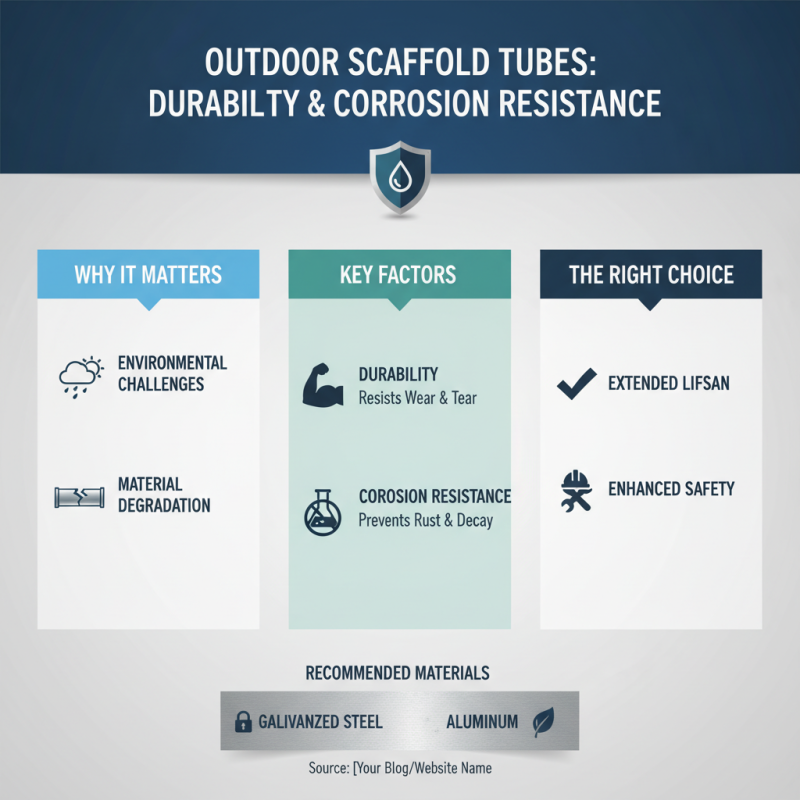
When selecting scaffold tubes, durability and corrosion resistance are crucial for outdoor use. Outdoor scaffolding faces various environmental challenges. Rain, sunlight, and humidity can quickly degrade materials. Therefore, choosing the right material is essential.
One tip is to check the coating on the scaffold tubes. A high-quality galvanized finish can enhance corrosion resistance. This can prevent rust and extend the service life of the tubes significantly. Look for tubes that specifically mention anti-corrosive properties.
Another aspect to consider is the weight of the tubes. Heavier tubes may indicate stronger materials, but ensure they are still manageable for your team. Balancing strength and convenience is important. Pay attention to wear and tear signs during assessments. If you notice peeling or rust, it may signal a risk for safety. Keeping an eye on these details can go a long way in ensuring the reliability of your scaffolding setup.
Selecting Accessories and Coupling Systems for Enhanced Stability
When selecting scaffold accessories and coupling systems, stability is key. A reliable coupling system prevents disconnections, ensuring safety on-site. According to a report by the National Institute for Occupational Safety and Health (NIOSH), improper coupling causes 30% of scaffolding accidents. Choosing the right couplers can significantly reduce these risks.
Tips: Opt for couplers made from high-strength materials. Ensure they meet industry standards for load-bearing capacity. Regular inspections can identify wear and prevent failures.
Using proper accessories enhances overall stability. Braces should be installed diagonally to prevent swaying. A study by the Occupational Safety and Health Administration (OSHA) highlights that well-placed braces can increase scaffold stiffness by up to 60%. Don’t overlook the importance of guardrails and toe boards. They provide an added layer of protection for workers.
Tips: Always verify the compatibility of accessories with the scaffold type. Incorrect matches compromise stability. Document your inspections and any maintenance activities thoroughly.

 +86 18531742341