
Leave Your Message

7 Essential Tips for Choosing Ringlock Scaffolding Standard

Selecting a Ringlock Scaffolding Standard is a safety decision, not merely a purchasing decision. It affects load transfer, worker access, platform stability, and inspection routines. OSHA identifies falls, falling objects, structural instability, and unsafe access as major scaffold hazards. These risks often begin with poor component selection.

The global scaffolding market continues expanding, according to Grand View Research’s Scaffolding Market Report. Growth is driven by construction, maintenance, infrastructure renewal, and industrial projects. However, market growth does not guarantee quality. A cheaper standard may create costly problems later. Sometimes, the overlooked detail matters most.

Scaffolding safety specialist David E. Wirth states, “A scaffold is only as safe as its weakest connection.” That principle deserves careful thought. Connection fit, tube thickness, steel grade, rosette precision, corrosion protection, and traceable testing all influence performance. The right Ringlock Scaffolding Standard should also match the intended duty class and local engineering requirements.

This guide presents seven practical selection points. It examines material certificates, dimensional accuracy, load capacity, welding quality, surface treatment, compatibility, and supplier credibility. Site experience shows that specifications alone are insufficient. Components must arrive undamaged, assemble correctly, and remain stable under real working conditions. A small mismatch can become a serious weakness.

Readers should verify every claim against current regulations, project drawings, and competent-person inspections. No article can replace engineering judgment. That is the uncomfortable part. Good scaffolding decisions require evidence, not confidence.

7 Essential Tips for Choosing Ringlock Scaffolding Standard

Define the Role and Load Requirements of the Ringlock Standard

7 Essential Tips for Choosing Ringlock Scaffolding Standard

Define the Role and Load Requirements of the Ringlock Standard

The ringlock standard is the vertical member that transfers working loads toward the base. Its role depends on platform height, bay spacing, and access arrangements. A standard supporting material storage needs more capacity than one supporting light maintenance work. Calculate workers, tools, stored materials, and temporary loads together. Do not rely on appearance. A thick-looking tube can still be unsuitable for a demanding platform.

Tip: Start with the real load.

On site, load paths are often misunderstood. The platform load travels through transoms, ledgers, rosettes, standards, base jacks, and the supporting ground. Each connection must remain stable. Check the standard’s allowable capacity, steel grade, wall thickness, length, and connection condition. Review tested technical data and follow the applicable local scaffold requirements. A qualified engineer should verify unusual heights, uneven ground, heavy loading, or suspended equipment.

Small details matter. Soft soil can make a strong standard settle. Uneven base plates can create unwanted bending. I have seen teams choose standards by length alone, then discover that the intended bay spacing increased the load on each upright. That decision looked efficient, but it required correction. Leave room for bracing, safe access, inspection, and reasonable load distribution. Recheck the design when the work sequence changes.
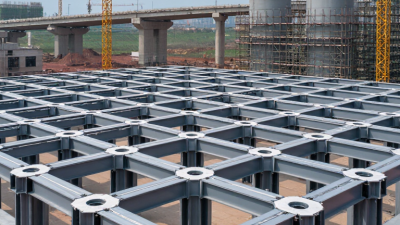
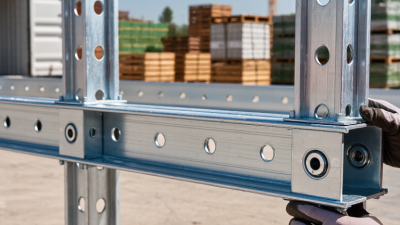
Check Material Quality, Steel Grade, and Protective Treatments

Choosing a ringlock scaffolding standard starts with its steel, not its appearance. Request mill certificates showing chemical composition, yield strength, tensile strength, and batch traceability. Compare the declared grade with the project specification and applicable standards, such as EN 12811-1 or ASTM requirements. A heavy tube is not automatically stronger. Wall thickness, weld quality, and dimensional accuracy also affect load capacity.

OSHA’s scaffold safety guidance estimates that scaffolding accidents cause about 4,500 injuries and 50 deaths annually in the United States. That figure makes material verification a practical safety step, not paperwork. Inspect rosettes, ledgers, and standards for cracking, incomplete welds, dents, and ovalized ends. Small defects matter. I would also check whether test samples represent the delivered batch, because certificates can look convincing while the shipment differs.

Protective treatment deserves equal attention. Hot-dip galvanizing should be assessed against ISO 1461, which specifies approximate minimum zinc thicknesses from 45 to 85 micrometres, depending on steel thickness. Measure coating coverage around welds, joints, and cut edges, where corrosion often starts. A shiny surface can mislead. Look underneath. Confirm coating adhesion, storage conditions, and drainage inside hollow members. ASTM International notes that corrosion protection depends on surface preparation, coating continuity, and exposure conditions. One practical weakness remains: visual inspection alone cannot confirm steel grade or hidden wall loss. Use independent testing when records are incomplete or damage appears suspicious.

Verify Dimensions, Compatibility, and Connection Precision

7 Essential Tips for Choosing Ringlock Scaffolding Standard

Choosing a ringlock scaffolding standard begins with accurate dimensions. Measure the outside diameter, wall thickness, length, and rosette position. Do not trust appearance alone. A small dimensional difference can prevent proper assembly or reduce load performance. Ask for verified drawings, material specifications, and inspection records before ordering. Confirm that the standard matches the ledgers, braces, base collars, and adjustable components used on your site.

Compatibility must be checked as a complete system. Compare connection sizes, rosette openings, spigot details, and locking-pin designs. Components from different production systems may look similar but connect poorly. Test a sample bay on level ground. Check whether ledgers seat fully and whether braces remain aligned under normal loading. Consult a qualified scaffold engineer when the structure includes unusual heights, heavy platforms, or complex access requirements. Local safety rules still apply.

Connection precision deserves careful attention. Rosettes should be positioned consistently, with clean welds and no visible distortion. Spigots must enter smoothly without excessive force or looseness. A hammer may secure a connection, but it cannot correct poor manufacturing. Inspect every delivered batch, not just the first sample. I have seen teams focus on price and overlook stacking tolerance. That mistake becomes expensive later. Even experienced buyers can miss a subtle mismatch, so record measurements and review them with the installer before full deployment.

Evaluate Safety Compliance, Testing, and Manufacturer Reliability

Choosing a ringlock scaffolding standard starts with safety evidence, not catalogue appearance. OSHA estimates that scaffolds cause about 4,500 injuries and 50 deaths yearly. Source: OSHA Scaffold Safety Fact Sheet. That figure makes compliance a practical decision.

Check the applicable standard, such as EN 12810/12811 or AS/NZS 1576.3, for design and performance requirements. Verify steel strength, weld quality, dimensions, and allowable loads.

Request stamped calculations for the actual bay layout. Do not accept a generic certificate.

Ask for independent testing of ledgers, rosettes, standards, base collars, and complete assemblies. Tests should cover static load, stability, dimensional tolerance, and repeated-use performance. Record test dates and specimen identification.

Manufacturer reliability needs more than a polished website. Review quality-control procedures, batch traceability, calibration records, and nonconformance handling. Visit production if possible; look for straight tubes, consistent weld beads, and protected storage.

Confirm that instructions cover erection, ties, bracing, guardrails, access, and inspections after alteration. Ask for training evidence and a realistic replacement-parts process. A reliable supplier explains failures openly.

That matters when a crew finds a bent standard at 6 a.m. Check project references, warranty terms, and documented corrective actions. OSHA emphasizes competent-person inspections before each work shift and after events affecting structural integrity. Treat that as routine, not paperwork.

I would still recheck every certificate against the delivered batch. Paperwork can be correct while materials differ. This uncomfortable possibility deserves attention.

Compare Service Life, Maintenance Needs, and Overall Cost

Choosing Ringlock Scaffolding Standard: Service Life, Maintenance, and Cost

A ringlock standard should be judged by more than its purchase price. Steel grade, wall thickness, weld quality, and surface protection strongly influence service life. Galvanized components usually resist moisture better than untreated steel, especially on outdoor projects. Corrosion starts quietly. Inspect base plates, rosettes, and welded joints for rust, bending, or cracking before every major use.

Maintenance costs can change the original calculation. A standard requiring frequent cleaning, repainting, or replacement may become expensive during a long project. Keep components off wet ground and store them under cover when possible. Remove concrete, soil, and chemical residue after use. These small actions reduce wear, although they cannot correct poor manufacturing quality.

Overall cost includes transport, inspections, repairs, labor, and downtime. A heavier standard may last longer, but it can increase handling effort and delivery charges. Compare expected service life with the project’s climate, load demands, and rental period. On busy sites, damaged parts are sometimes reused too quickly. That is a costly mistake. A qualified inspector should verify dimensions, locking connections, and visible damage against local safety requirements. Records help, but they are not perfect. A missed inspection can still create an expensive problem.

7 Essential Tips for Choosing Ringlock Scaffolding Standards

This planning comparison uses common engineering assumptions for steel scaffolding protection systems. Hot-dip galvanized components generally provide longer corrosion resistance and lower maintenance demand than pre-galvanized or painted components. Actual performance depends on coating thickness, storage, site exposure, loading, inspection quality, and compliance with the applicable standard.

1. Check compliance: Confirm that the system follows the local requirements, such as EN 12810/12811, AS/NZS 1576, or OSHA regulations where applicable.
2. Compare service life: Consider corrosion category, coating type, storage conditions, and expected project duration.
3. Review maintenance needs: Include cleaning, inspection, touch-up, replacement, and repair requirements.
4. Verify load capacity: Check design loads, bay dimensions, working height, tie spacing, and the manufacturer’s engineering documentation.
5. Inspect connection quality: Ensure standards, ledgers, rosettes, wedges, and base components fit securely without excessive deformation.
6. Calculate total cost: Include purchase, transport, assembly, inspection, maintenance, replacement, and disposal costs.
7. Plan logistics and safety: Choose compatible components, clear identification, trained installers, and a documented inspection process.

Index interpretation: 100 represents the hot-dip galvanized baseline. Service-life and maintenance scores are normalized from typical planning values of 15 years and 2 maintenance events per 10 years for hot-dip galvanized steel; lower cost index indicates lower estimated ten-year ownership cost.