Essential Tips for Choosing the Best Pipe Scaffolding Solutions?
Choosing the right Pipe Scaffolding solution can be challenging. There are many options available, and each one serves different needs. Understanding the unique requirements of your project is crucial. Quality and safety are of utmost importance in scaffolding.
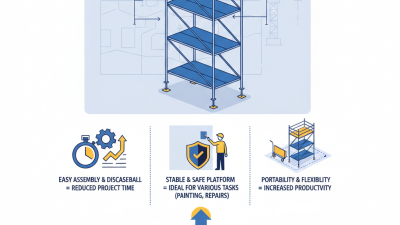
Pipe Scaffolding is versatile, offering flexibility for diverse job sites. Its design allows easy assembly and disassembly, which can save time. However, not all products meet safety standards. Researching manufacturers helps ensure compliance with regulations. Reviews and certifications can be indicators of reliability.
Budget is another factor to consider. Cheaper isn’t always better. Investing in quality Pipe Scaffolding may reduce risks and avoid costly accidents. Evaluate long-term benefits versus initial costs. Reflect on the specific demands of your construction projects. This thoughtfulness can lead to improved outcomes and safer work environments.
Consider Your Project Requirements and Specifications
When selecting the best pipe scaffolding solutions, understanding your project requirements is crucial. Each project has unique characteristics. Consider factors such as height, load capacity, and site conditions. According to industry reports, nearly 40% of construction accidents arise from inadequate scaffolding. This emphasizes the importance of adhering to safety standards specific to your project.
Load capacity is another vital aspect. A report from the Scaffolding Association indicates that improperly chosen scaffolding can lead to overloading. This risk is heightened in urban construction settings, where space is limited. Assess the materials you're working with and ensure the scaffolding can support the weight effectively.
Site conditions also play a key role in your decision-making process. Urban areas may have stricter regulations, which affect the types of scaffolding you can use. Weather can impact the durability and stability of your scaffolding too. Regularly inspect scaffolding systems throughout the project lifecycle. Addressing these details can prevent costly setbacks and enhance worker safety.
Evaluate the Load Capacity and Stability of Scaffolding Systems
When selecting pipe scaffolding solutions, assessing load capacity and stability is crucial. Load capacity indicates how much weight the scaffolding can safely support. This includes the weight of workers, tools, and materials. Ignoring this aspect can lead to hazardous situations. It’s essential to refer to load ratings provided by manufacturers. However, not all ratings are equal. Always verify them against safety guidelines.
Stability goes hand in hand with load capacity. Scaffolding systems must be anchored securely. A well-designed scaffold should resist tipping and ensure worker safety. Factors like ground conditions affect stability. Soft or uneven ground can compromise a scaffold’s structural integrity. Regular inspections are key. This process ensures that the scaffold remains stable and safe throughout its use.
Pay attention to the details. Look for wear and tear on pipes. Rust or deformation can signal potential failure points. Always consider the surrounding environment. Vigilance is vital. Underestimating load capacity or stability can result in accidents. Each scaffolding project is unique. Take the time to evaluate these critical factors in your decision-making process.
Essential Tips for Choosing the Best Pipe Scaffolding Solutions
| Parameter |
Description |
Importance |
| Load Capacity |
Maximum weight the scaffolding can support without compromising safety. |
Critical for preventing collapses and ensuring worker safety. |
| Material Quality |
The types of materials used, such as steel or aluminum, that affect durability and strength. |
High-quality materials enhance stability and longevity. |
| Design Configuration |
The structural layout of the scaffolding system, including height and base width. |
A well-designed configuration improves load distribution and safety. |
| Bracing System |
The support framework that prevents swaying and enhances stability. |
Essential for the overall rigidity of the scaffolding structure. |
| Assembly and Dismantling |
Ease of putting together and taking apart the scaffolding units. |
Faster setup times lead to increased efficiency on site. |
| Compliance Standards |
Adherence to local and international safety regulations. |
Legal requirement that affects liability and safety measures. |
Understand Different Types of Pipe Scaffolding Materials Available
When selecting pipe scaffolding, understanding the materials available is crucial. Common options include steel, aluminum, and fiber-reinforced plastics. Steel is known for strength and durability. However, it is heavy and can rust over time. Aluminum is lightweight and resistant to corrosion. Its ease of transport makes it popular. Yet, aluminum might not offer the same load capacity as steel.
fiber-reinforced plastics are a newer choice. They are lightweight and resistant to chemicals. This can make them ideal for specific environments. However, their cost can be significantly higher. Each material presents trade-offs. Professionals must weigh the pros and cons to find the right fit. Think about the project scale and location. Different materials will perform better in varying conditions.
Consider how safety standards impact your choice. Some materials may meet specific regulatory requirements better than others. Additionally, consider installation and maintenance needs. Not all materials offer the same ease of assembly. Assessing these factors can ensure a reliable and effective scaffolding solution. Remember to reflect on your choices to avoid costly mistakes.
Essential Tips for Choosing the Best Pipe Scaffolding Solutions
This bar chart illustrates the weight of different pipe scaffolding materials per 10 feet. Understanding these weights can help in making an informed decision when choosing the best scaffolding solutions for your projects.
Review Safety Standards and Compliance Regulations
When considering pipe scaffolding solutions, safety standards are paramount. Compliance regulations ensure that structures are stable and secure. Familiarizing yourself with OSHA guidelines is essential. These regulations provide a foundation for safety in construction and maintenance work.
Regular inspections are critical. Scaffolding must be checked for wear, damage, and structural integrity. Overlooking small cracks or rust can lead to significant issues. Documentation of these inspections not only ensures compliance but also helps identify areas for improvement in safety practices.
Understanding local regulations is vital too. Different regions may have specific compliance requirements. Make it a point to consult local authorities. They can provide insights into enforcing safety protocols that are often overlooked. Ignoring these can result in fines or accidents. Prioritize education on safety standards for workers. Training can address gaps in knowledge that may otherwise compromise safety.
Compare Costs and Budget Constraints for Scaffolding Solutions
When selecting pipe scaffolding solutions, one of the main concerns is cost. Prices can vary significantly across different suppliers. This variation often reflects the quality of materials, safety features, and durability. Always request detailed quotes that outline what is included in the price. Understanding each component's cost can help you make informed decisions.
Budget constraints can limit your options, making it crucial to balance quality and affordability. It’s essential to assess how much you're willing to spend. Investing in high-quality scaffolding may seem expensive initially, but it often leads to long-term savings. Lower-quality options might cost less upfront but can result in higher maintenance and safety issues.
Consider total life-cycle costs, not just initial prices. Some scaffolding vendors offer comprehensive packages, which might seem pricier at first. However, they might include installation, inspections, and maintenance in their pricing. This can save money over time. Always evaluate your specific project needs. It’s important to reflect on whether cheaper solutions could compromise safety or efficiency in the long run. A thoughtful approach ensures you choose a scaffolding solution that meets your project requirements and budget constraints effectively.

 +86 18531742341