Why Choose a Scaffolding Tower for Your Next Construction Project?
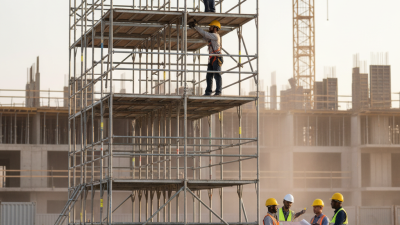
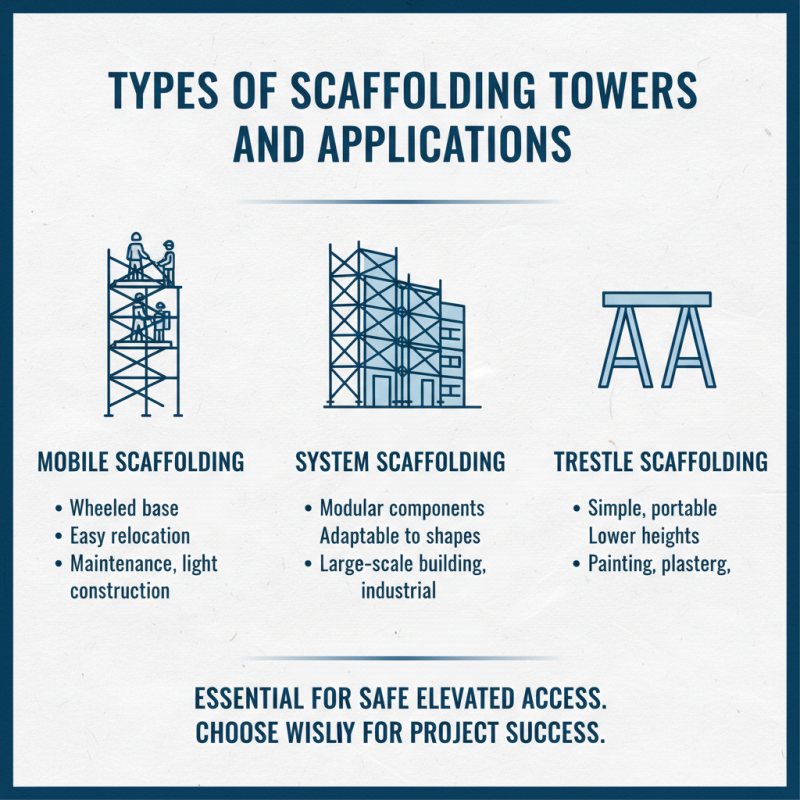
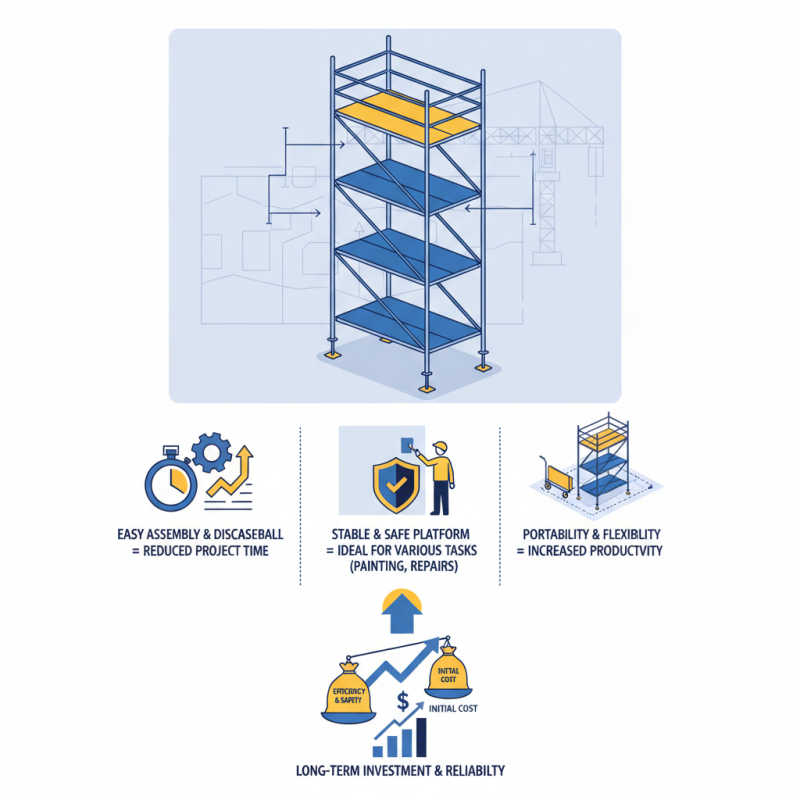
When planning your next construction project, selecting the right equipment is crucial. Among the options available, a Scaffolding Tower stands out for its versatility and safety. Unlike traditional scaffolding, a Scaffolding Tower offers easy assembly and disassembly. This can significantly cut down on project time. It's designed to provide workers with a stable platform at various heights, making it ideal for painting, repairs, or installations.
Many contractors appreciate the portability of a Scaffolding Tower. You can move it to different locations on the job site without hassle. This flexibility can lead to increased productivity. However, not all Scaffolding Towers are created equal. It's essential to choose one that meets safety standards. Skimping on quality can be risky for workers. Ensuring reliability is paramount for a successful project.
Investing in a Scaffolding Tower often proves beneficial in the long run. It might seem like an added expense initially. However, the boost in efficiency and safety can outweigh these initial costs. In a field where margins can be tight, every decision matters. Reflecting on the best choice for your project ensures you make a wise investment in both safety and success.
Benefits of Using a Scaffolding Tower in Construction Projects
Scaffolding towers offer significant advantages for construction projects. They provide a stable platform for workers, enhancing safety and efficiency. With a sturdy design, these towers can reach great heights, allowing access to hard-to-reach areas. This is particularly beneficial for tasks like painting or roof repairs, where elevation is crucial.
When using a scaffolding tower, consider safety protocols. Always ensure the tower is on level ground. Regularly inspect the structure for any signs of wear or damage. Proper training for workers is essential. They should know how to use the tower effectively. Neglecting these aspects might lead to accidents or decreased productivity.
Additionally, scaffolding towers are often lightweight and easy to assemble. This allows for quick setup and dismantling on the job site. However, be mindful of local regulations regarding installation. Ensure compliance to avoid fines or project delays. Investing in high-quality materials can mitigate risks and enhance durability.
Why Choose a Scaffolding Tower for Your Next Construction Project?
| Benefits |
Description |
| Increased Safety |
Scaffolding towers provide stable and secure platforms that reduce the risk of falls and accidents at height. |
| Versatility |
Can be used for various tasks such as painting, plumbing, and electrical work, adapting to different project needs. |
| Ease of Assembly |
Designed for quick and easy setup, allowing workers to spend more time on the task at hand. |
| Space Efficiency |
Scaffolding towers occupy a smaller footprint compared to traditional scaffolding, making them ideal for limited space projects. |
| Cost-Effectiveness |
Offers a budget-friendly solution compared to other access methods without compromising safety or efficiency. |
Safety Considerations When Using Scaffolding Towers
Using scaffolding towers in construction projects enhances safety through design and regulations. According to the Occupational Safety and Health Administration (OSHA), falls are a leading cause of workplace fatalities. In 2020, nearly 1,400 workers lost their lives due to falls. Proper use of scaffolding towers can significantly reduce this risk.
Safety measures begin with proper training. Workers must understand how to assemble, maintain, and use scaffolding correctly. Regular safety inspections are essential. A recent study by the National Institute for Occupational Safety and Health (NIOSH) reported that 64% of accidents were linked to improper setup. Workers should also wear appropriate personal protective equipment (PPE) and harnesses when working at height.
Communication is critical on job sites. Workers should feel empowered to report unsafe conditions without fear. Incidents often arise from overlooked details. Ensuring that scaffolding is level and stable can prevent many accidents. Investing time in safety protocols may seem tedious, yet it pays off. A focus on safety not only protects workers but also enhances overall efficiency on the job site.
Cost-Effectiveness of Scaffolding Towers Compared to Traditional Scaffolding
Choosing a scaffolding tower can significantly impact the budget of your construction project. These towers offer an economical solution compared to traditional scaffolding. They require less time to assemble, which reduces labor costs significantly.
One notable aspect is their durability. Scaffolding towers are designed to withstand various weather conditions. This durability often leads to fewer repairs and replacements over time. Yet, it’s essential to assess the quality of materials used. Some cheaper options may not provide the necessary strength.
While scaffolding towers can save money, initial costs can still be a barrier for some projects. It’s worth evaluating your project's needs and weighing potential trade-offs. Investing in a high-quality scaffolding tower could yield long-term savings. However, it's wise to conduct thorough research before making a decision.
Installation and Dismantling Process of Scaffolding Towers
Scaffolding towers are essential for any construction project due to their efficiency. The installation process requires careful planning and adherence to safety protocols. Begin by selecting a flat, stable surface for setup. This ensures the tower remains secure during use. Check all components for damage before assembly. Each piece must fit together seamlessly to avoid issues later.
Assembling the tower typically requires at least two workers. This helps manage the weight and dimensions of the structure. Secure each section before adding the next. Use proper tools to tighten connections firmly. To enhance safety, consider adding guardrails along the edges. These precautions can prevent falls and accidents.
Dismantling a scaffolding tower is just as critical. Start by removing any additional components like ladders or braces. Take down each section methodically, ensuring no pieces are left behind. Inspect the components for wear and tear throughout this process. Proper inspections can prevent future problems. Both installation and dismantling require focused attention to safety and functionality. Reflection on these steps can lead to improved practices.
Scaffolding Towers Usage in Construction Projects

 +86 18531742341