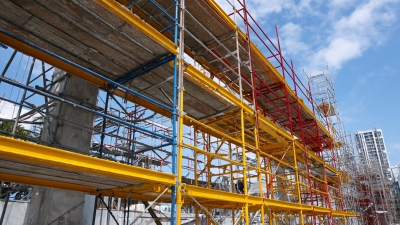
How to Choose the Best Home Scaffolding for Your Project?
Choosing the right home scaffolding can seem daunting. With so many options available, making the best choice is crucial for safety and efficiency. Industry expert Sarah Johnson, who has over a decade of experience, states, "Selecting the right home scaffolding is not just about price; it's about finding the right fit for your project." Her insights highlight the importance of understanding your specific needs.
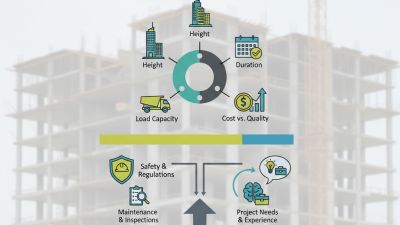
When considering home scaffolding, several key factors arise. The height, weight capacity, and material quality should be evaluated carefully. You may need to ask yourself questions like, how long will you use it? Is it suitable for your DIY project? Remember, safety is paramount. Choosing scaffolding that doesn’t meet project requirements can lead to accidents.
Additionally, not all scaffolding is created equal. Some may look sturdy but fail under heavy load. It's essential to reflect on your project's demands. Investing in high-quality home scaffolding may initially cost more, but it will pay off in safety and durability. Don't rush the decision. Take your time to ensure you make the right choice.
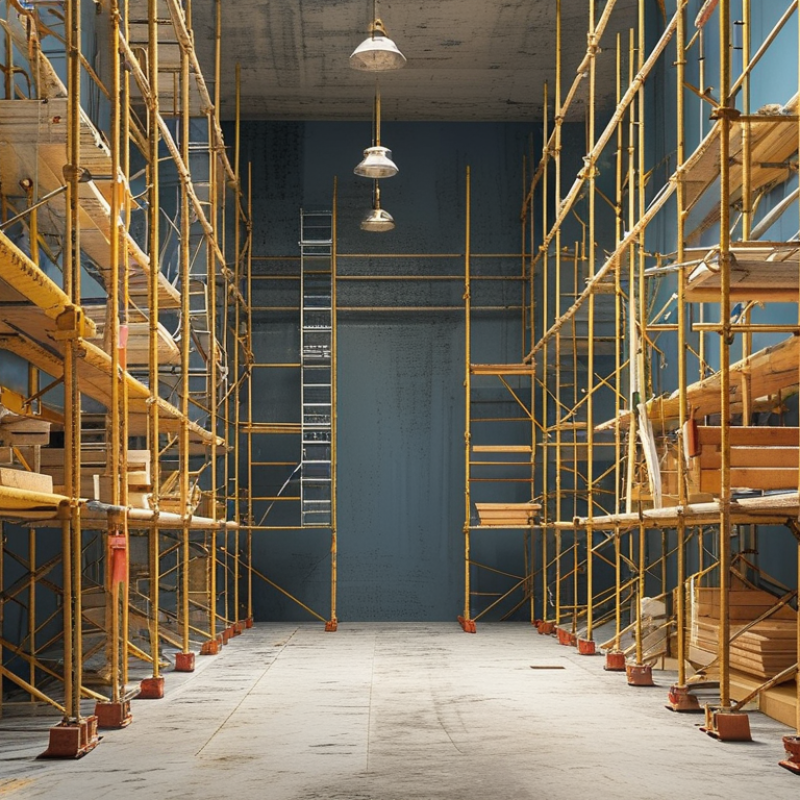
Understanding the Different Types of Home Scaffolding Available
When considering home scaffolding, understanding the types available is crucial. Different projects require specific scaffolding types, tailored to match your needs. For instance, frame scaffolding is popular due to its versatility and ease of assembly. It is suitable for larger projects, offering stability and support. In contrast, rolling scaffolds are portable. They allow you to move easily between work areas, ideal for indoor tasks.
Tips: Always assess your job site conditions. If space is limited, opt for compact models. Safety should never be compromised. Ensure every piece of scaffolding is rated for the weights you expect.
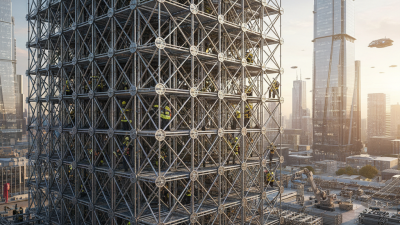
Another commonly used type is system scaffolding. It features modular components, enabling customization for various tasks. This flexibility makes it a favorite for contractors. However, setting it up may require more time and skills compared to other types.
Tips: Never rush the assembly. Each joint must be secure to ensure safety. Familiarize yourself with each component before starting. A bit of planning can prevent serious accidents.
How to Choose the Best Home Scaffolding for Your Project?
| Type of Scaffolding |
Material |
Max Load Capacity |
Height Range |
Best Use Cases |
| Single Scaffolding |
Steel |
250 kg |
Up to 6 meters |
Brick work, painting |
| Double Scaffolding |
Aluminum |
300 kg |
Up to 9 meters |
Heavy construction work |
| Suspended Scaffolding |
Steel |
500 kg |
Variable
(depends on suspension system) |
Window cleaning, façade work |
| Mobile Scaffolding |
Aluminum |
200 kg |
Up to 5 meters |
Indoor work, maintenance |
| System Scaffolding |
Steel |
800 kg |
Up to 20 meters |
Large constructions, complex shapes |
Assessing the Height and Reach Requirements for Your Project
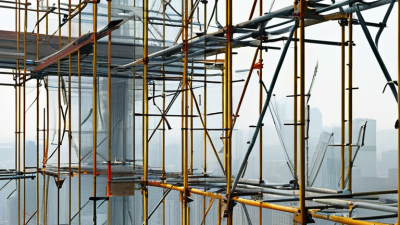
When choosing scaffolding, height and reach are critical factors. Assessing the required height ensures safety and efficiency. You should measure the elevation of your work area. Consider peak heights for roofs, walls, or other structures. If you need to work on multiple levels, factor in added height.
The reach of your scaffolding is equally important. Think about the distance from the base to the point of work. If your project requires reaching outwards, longer platforms are necessary. Visualize the working area to avoid miscalculations. Ensure that your scaffolding can accommodate tools and materials without overcrowding.
Ask yourself about your experience level. Newer users may struggle with complex setups. It’s often better to choose simpler designs for straightforward tasks. Also, reflect on stability. A high reach can compromise safety if the base is not secure. Invest time in planning before you purchase. Safety should never be an afterthought.
Height and Reach Requirements for Home Scaffolding Projects
Evaluating Weight Capacity and Stability in Scaffolding Options
When selecting home scaffolding, weight capacity and stability are crucial factors. Understanding the weight limits helps ensure safety during work. Different projects require different capacities. For example, a simple paint job may need less than heavy construction tasks. Always check the specifications to match your requirements.
Stability is equally important. The scaffolding must be secure on various surfaces. A wobbling scaffold can lead to accidents. Ensure that the base is level and well-supported. Consider the height of your project. Taller structures require more robust scaffolding systems. Utilize proper bracing techniques for added support.
You might encounter options that seem secure but fail under load. It's essential to research and possibly consult professionals. Consider your experience level. If unsure, seek guidance to avoid making costly mistakes. Balancing weight capacity and stability is key to a successful project. Each decision has potential consequences that deserve careful thought.
Considering Safety Features and Regulations for Home Scaffolding
When choosing home scaffolding, safety should be your top priority. Before starting any project, ensure your scaffolding meets local regulations. Familiarize yourself with OSHA (Occupational Safety and Health Administration) standards, which provide guidelines for safe scaffolding practices. A reliable scaffolding system includes features like guardrails, toe boards, and secure locking mechanisms. Regularly inspect equipment before use. This helps identify potential issues before they become serious hazards.
Consider the working environment as well. If your project is near pedestrian traffic, protective measures are essential. Use barriers or nets to mitigate risks. Evaluate ground conditions too; unstable surfaces can make scaffolding precarious. A solid foundation is crucial for stability.
Don't overlook the importance of training. Users should understand how to assemble and disassemble scaffolding. Improper use can lead to accidents. Reflect on the potential consequences of neglecting safety features. Each project presents unique challenges, so adapt your approach based on circumstances. Balancing efficiency and safety is key to a successful scaffolding experience.
Budgeting for Scaffolding: Cost vs. Quality Considerations
When budgeting for scaffolding, consider both cost and quality. Low-priced options might seem attractive at first glance. However, these often lack the durability and safety necessary for a successful project. Using poor-quality scaffolding can lead to accidents, delays, and increased costs down the line. Safety should be a priority in any construction task.
Investing a bit more upfront can pay off in the long run. Quality scaffolding is designed to withstand the rigors of your project. It provides stability and peace of mind as you work at height. Evaluate the materials used in the scaffolding. Steel options are typically stronger compared to aluminum.
Keep in mind your project's specific requirements. Calculate the height, weight load, and duration of use. Would a modular system work better than a fixed model? Reflect on what might happen if you choose the cheapest option. Compromised quality can lead to injuries and project setbacks. Think carefully and choose wisely.

 +86 18531742341