2026 How to Choose the Best Construction Scaffolding Options?
Choosing the right construction scaffolding can significantly impact your project's success. The right scaffolding ensures safety and efficiency on the job site. This guide aims to equip you with knowledge about various scaffolding options available in 2026.
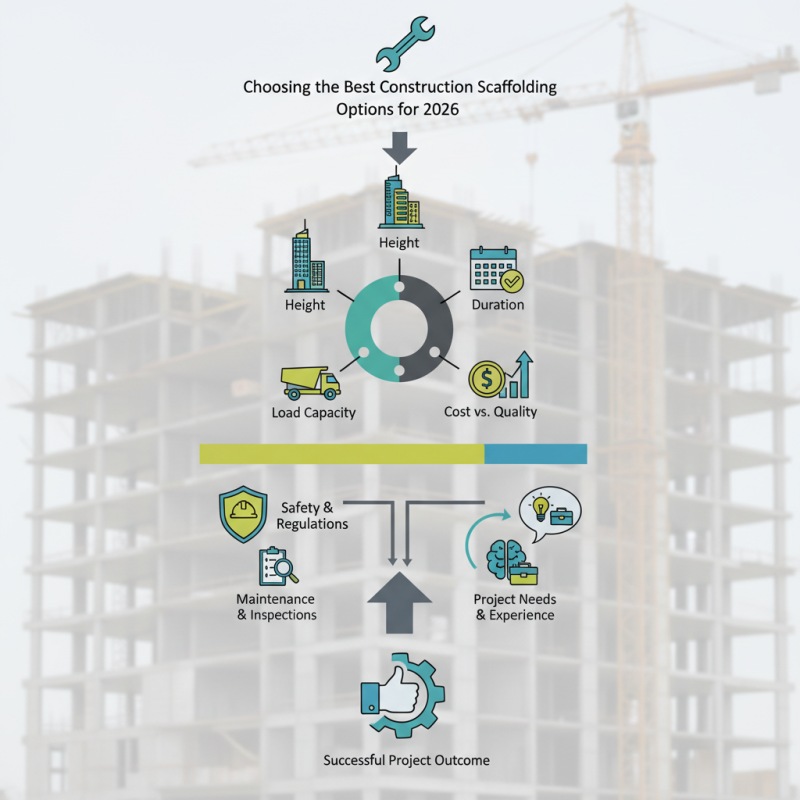
When considering construction scaffolding, you must assess your project's specific needs. Factors such as height, load capacity, and duration of use play crucial roles. Some types of scaffolding come with unique advantages, but they may not suit every situation. Finding a balance between cost and quality is often challenging.
Safety should always be a priority. Poorly chosen scaffolding can lead to accidents and project delays. Regular maintenance and inspections are essential, yet not all projects prioritize this. As you explore options, reflect on your experiences and the lessons learned to choose wisely.
Understanding the Different Types of Construction Scaffolding Available
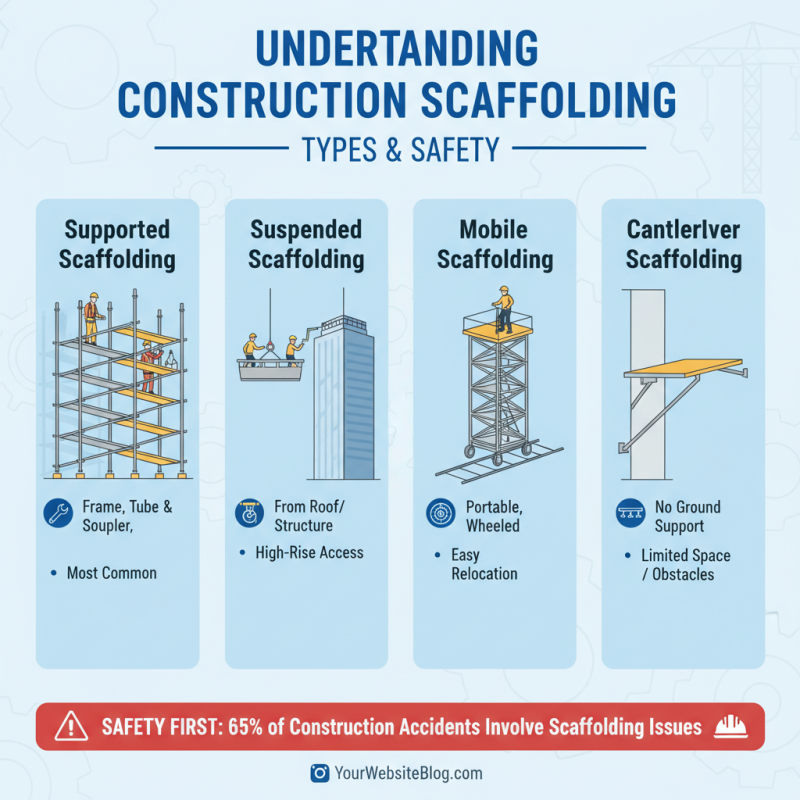
When considering construction scaffolding options, understanding the different types available is crucial. Scaffolding serves as a temporary structure to support workers and materials. According to industry reports, approximately 65% of construction accidents involve scaffolding issues, highlighting the need for suitable choices.
There are several types of scaffolding to consider. Tube and clamp scaffolding offers versatility and adaptability. It allows for complex configurations but can be labor-intensive to assemble. Frame scaffolding, on the other hand, is easier to set up, making it a popular choice for residential projects. It is estimated that around 70% of renovation contractors use frame scaffolding due to its stability.
Safety considerations are paramount. Mobile scaffolding provides convenience for jobs requiring mobility, but it must comply with safety regulations. A study found that about 20% of scaffolding incidents were due to improper set-up. Reflecting on your project requirements and safety measures is essential to make an informed decision. Prioritizing the right type of scaffolding can significantly impact project efficiency and safety.
Key Factors to Consider When Choosing Scaffolding for Your Project
When choosing scaffolding for your construction project, several key factors demand attention. Safety should always be your top priority. According to the National Institute for Occupational Safety and Health (NIOSH), falls are responsible for nearly 40% of construction fatalities. Therefore, ensure that the scaffolding system you select adheres to OSHA standards for maximum safety.
Material choice is another crucial element. Steel and aluminum are common options, each with unique benefits. Steel offers durability and strength, while aluminum is lightweight, making it easier to handle. It’s wise to gather data on the weight load your scaffolding will bear. A 2020 report from Construction Industry Research indicates that scaffolding systems must safely support at least four times the intended load.
Incorporate these tips:
- Regularly inspect scaffolding components for wear and tear.
- Train workers on proper setup and usage.
- Adjust your choice of scaffolding according to changing project needs.
Taking the time to analyze these factors can enhance both safety and efficiency. With an informed decision, you can optimize operations and mitigate risks on the job site. Keep these insights in mind as you plan your scaffolding needs.
2026 Construction Scaffolding Options: Key Factors to Consider
Evaluating Safety Standards and Regulations for Scaffolding Use
When choosing scaffolding options, safety stands out as a critical factor. Each scaffolding system must meet strict safety standards and regulations. Compliance with local and federal regulations is non-negotiable. Inspecting the scaffolding for defects before use is essential. A single flaw can endanger workers.
Regulations often mandate that scaffolding be regularly inspected. This ensures that conditions remain safe throughout a project. A thorough understanding of these requirements is crucial. Many workers overlook safety training, which can lead to accidents. Investing in proper training can save lives.
Moreover, it’s important to remember that not all scaffolding systems are created equal. Some may look sturdy but fail under pressure. Evaluating a supplier's credentials is vital. Seek out those who understand both safety and quality. Reflection on past projects can illuminate areas of improvement. Learning from previous experiences can lead to better decisions for future use.
Assessing Load Capacity and Structural Integrity of Scaffolding Options
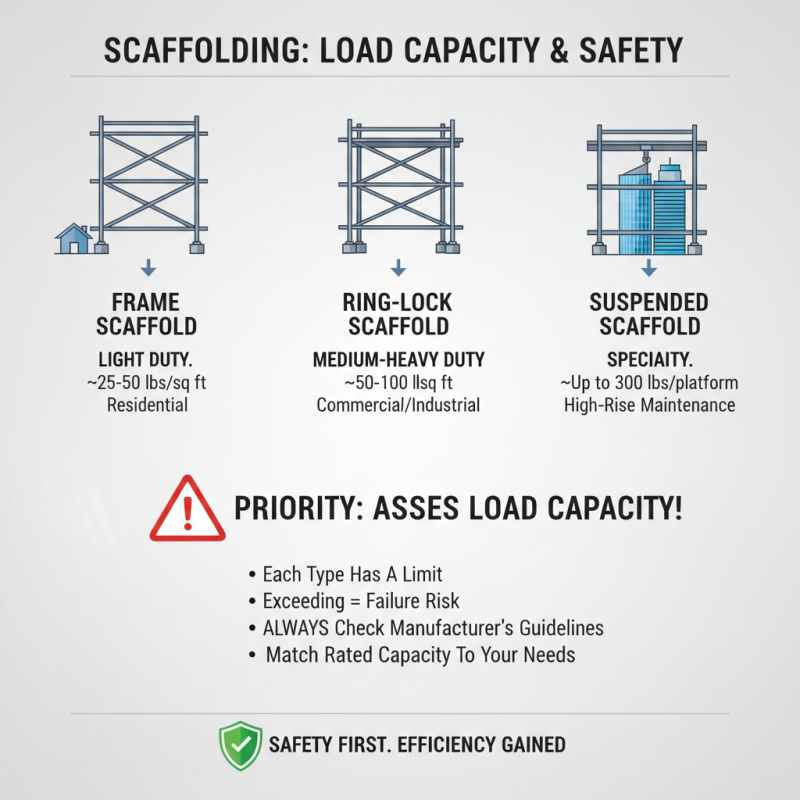
Choosing the right scaffolding is critical for safety and efficiency. Assessing load capacity should be your priority. Each scaffolding type has a specific limit. If you push beyond this limit, it can lead to catastrophic failures. Always refer to the manufacturer's guidelines before making a decision. Look for rated capacities that match your particular needs.
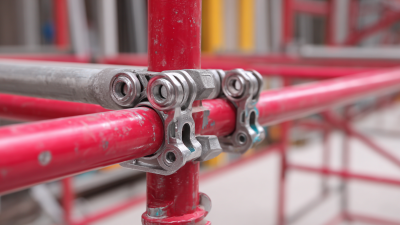
Structural integrity is equally important. Inspect each component for signs of wear or damage. A small crack can become a serious issue. Pay attention to the joints and connectors, as these areas often bear the most weight. Understanding the materials used helps too. For example, steel provides durability, while aluminum offers lightweight options.
Remember to evaluate the working environment as well. Wind, rain, or uneven ground can affect stability. A well-designed scaffold must consider these variables. Don’t overlook the importance of regular maintenance. Regular inspections reveal any hidden problems. Always be prepared to reconsider your choices if safety is a concern. Prioritizing load capacity and structural integrity enhances overall project safety.
Cost Implications and Budgeting for Scaffolding Solutions in Construction
When considering scaffolding for construction, budgeting is crucial. Costs can vary widely based on materials, design, and project duration.
Assessing your project's needs helps establish a clear budget. It's important to identify how much scaffolding you'll need for efficiency and safety.
Labor costs also play a significant role in the overall budget. Skilled labor is often required to assemble and dismantle scaffolding properly. This could increase expenses significantly.
Companies should prepare for potential delays. These can arise from unforeseen circumstances, affecting both time and budget.
Additionally, it's essential to consider the long-term implications of scaffolding choices. While cheaper options may seem attractive, they might result in higher maintenance costs down the line.
Investing in robust scaffolding might seem pricey initially, yet it pays off through durability and safety. Reflecting on past projects can offer valuable insights into making informed choices today.
Prioritize planning, and analyze your options comprehensively before final commitment.

 +86 18531742341