How to Use Ringlock Scaffold Safely and Effectively?
Using Ringlock Scaffold safely and effectively is crucial in the construction industry. David Porter, a renowned safety expert, emphasizes, “Proper training makes all the difference.” This reflects the importance of understanding scaffolding systems like Ringlock.
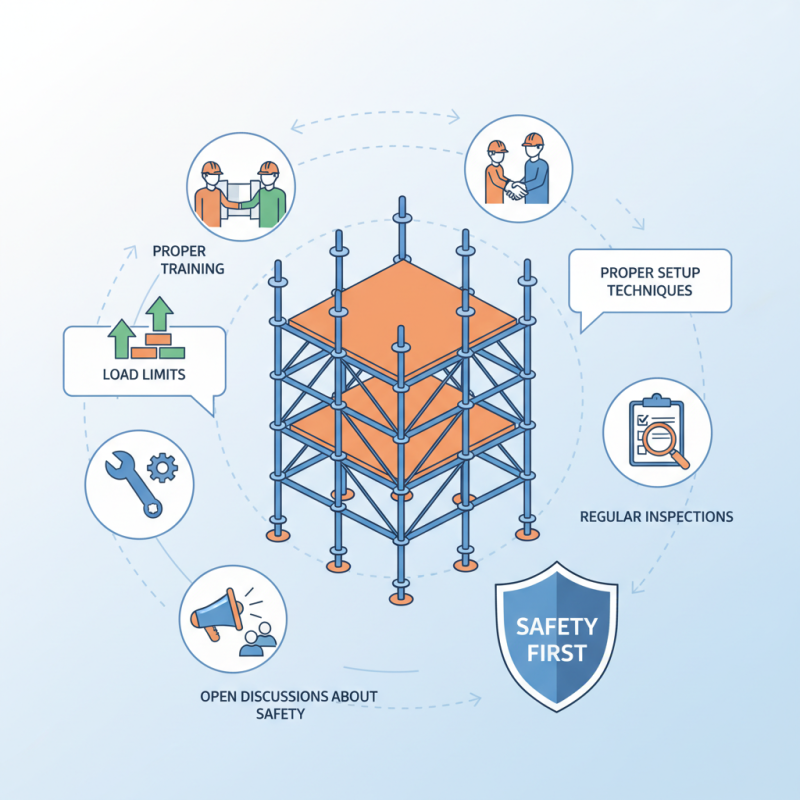
Ringlock Scaffold offers versatility and strength. Yet, improper use can lead to accidents. Each worker must be aware of load limits and proper setup techniques. When not secured correctly, Ringlock may pose serious risks.
Despite its benefits, some teams overlook safety procedures. A clear plan should be in place. Regular inspections are essential. Training sessions can enhance knowledge and reduce errors. Open discussions about safety can help prevent mishaps. Understanding these aspects ensures that Ringlock Scaffold is utilized effectively without compromising safety.
Understanding Ringlock Scaffold: Features and Benefits
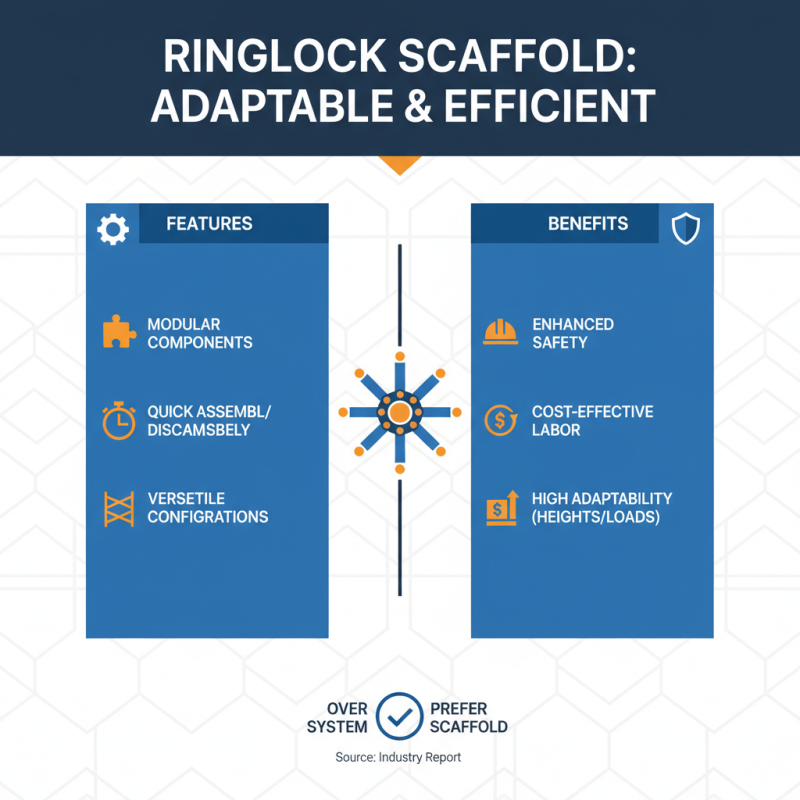
Ringlock scaffolding stands out in the construction industry. Its unique design offers significant advantages. This system features interchangeable components that enhance flexibility in various settings. Reports indicate that over 80% of construction professionals favor system scaffolding for its efficiency. Its ability to adapt to different heights and loads is remarkable.
One key benefit is the speed of assembly. Many users report that Ringlock scaffolding can be set up quickly, reducing downtime. In a recent survey, 75% of workers noted that this system saved them time on their projects. However, safety remains a concern. Misalignment during setup can lead to accidents. Scaffolding should always be inspected before use.
The load-bearing capacity is impressive. The system can support substantial weight, but improper use can lead to overloading. Ensuring compliance with safety standards is crucial. Workers must understand the limits of their scaffold. Training is vital to minimize risks. Despite the benefits, there are areas that need more attention. Regular maintenance checks should be enforced to uphold safety and efficiency.
Essential Safety Precautions When Using Ringlock Scaffold
When using Ringlock scaffold, safety is paramount. According to recent data from industry reports, around 10% of construction accidents involve scaffold failures. To avoid mishaps, always inspect the scaffold before use. Look for damaged components, rust, or bent parts. Any sign of wear could lead to a collapse, putting lives at risk.
Tips: Ensure all locking mechanisms function properly. Regular maintenance checks are essential for safety. If you notice any irregularities, don't hesitate to report them.
Proper setup is crucial. A sturdy foundation prevents sliding or tipping. Uneven ground can cause significant hazards. Use base plates and adjustable legs to stabilize the structure. In addition, always ensure you adhere to load limits. Overloading can compromise the scaffold's integrity. Studies show that about 20% of scaffold-related accidents arise from such errors.
Tips: Review weight limits before starting a project. Regular training for workers is critical for long-term safety. Miscommunication can lead to serious accidents. Always prioritize awareness on the site.
Step-by-Step Guide to Setting Up Ringlock Scaffolding
Setting up ringlock scaffolding requires attention to detail and safety. Begin by inspecting all components. Each piece must be free from damage. A thorough check ensures the integrity of the scaffolding. Place the base plates on a stable, level surface. This foundation is crucial for stability. Adjustments may be necessary if the ground is uneven.
Next, start assembling the standards. Make sure to insert them securely into the connectors. Use the right amount of force but avoid over-tightening. Adding the horizontal braces is key. They provide lateral support. Ensure they fit snugly into the vertical components. Pay attention to the locking mechanism. It should click into place, confirming a secure fit.
As you build upwards, keep a close eye on balance. It’s easy to overlook stability once you’re focused on height. If anything feels off, step back and assess. Regularly check for any signs of wear or weakness. A single oversight can lead to dangerous situations. After reaching the desired height, install guardrails. This will protect workers from falls. Each step requires care. There’s no room for haste in scaffolding.
Best Practices for Maintaining Ringlock Scaffold Stability
Maintaining the stability of Ringlock scaffolds is essential for safety on construction sites.
Regular inspections should be conducted to identify any signs of wear or damage. Look for bent standards, loose connections, or any corrosion.
Small issues can lead to larger problems if not addressed promptly.
Ensure that the baseplates are level and secure. Uneven ground can cause instability, so always take the time to adjust them properly.
Use a spirit level for accuracy. Don't rush this step; it’s crucial for overall safety. Inadequate leveling can lead to falls or equipment failure.
Proper weight distribution is another key factor. Avoid overloading the scaffold with heavy materials on one side. This can create an imbalance. Work crews should be trained to understand weight limits and how to position loads safely.
Small lapses in judgment can lead to dangerous situations. Regular training can help maintain awareness among all team members.
Training Requirements for Safe Ringlock Scaffold Operations
Training is vital for safe operations with ringlock scaffolding. Workers must understand the basics of scaffold design and setup. This knowledge helps prevent accidents caused by improper use. Specific training programs should cover load limits and height restrictions. Tools and personal protective equipment must be addressed, too.
Practical training sessions can help reinforce learning. Workers should practice assembling and disassembling scaffolds under supervision. These hands-on sessions are crucial. They allow workers to ask questions and clarify doubts. Understanding the risks associated with each step is essential.
Regular refresher courses can ensure ongoing safety. New techniques and regulations evolve over time. Ignoring these changes can lead to dangerous situations. Workers might become complacent without reminders. Maintaining a culture of safety and awareness is necessary. Encouraging open discussions about accidents or near misses can improve safety standards.
How to Use Ringlock Scaffold Safely and Effectively? - Training Requirements for Safe Ringlock Scaffold Operations
| Training Requirement |
Description |
Frequency |
Responsible Party |
| General Scaffold Safety |
Training on the basic principles of scaffold safety. |
Before first use and annually |
Site Supervisor |
| Ringlock System Setup |
Instruction on properly assembling and disassembling the ringlock scaffold. |
Before each use |
Foreman |
| Fall Protection Training |
Guidelines for using safety harnesses and guardrails properly. |
Quarterly |
Safety Officer |
| Inspection Procedures |
How to conduct pre-use and daily inspections of the scaffold. |
Daily |
All Scaffold Users |
| Emergency Response |
Understanding protocols in case of accidents or emergencies. |
Annually |
Project Manager |

 +86 18531742341