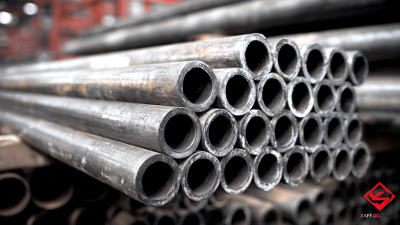
Top 10 Tips for Choosing the Best Scaffold Plank?
Choosing the right scaffold plank is essential for any construction project. The safety and efficiency of your work depend heavily on this choice. Different materials and designs offer varied benefits and risks. This guide explores key factors in selecting a scaffold plank that meets your specific needs.
A quality scaffold plank provides stability and support. It must endure heavy loads without bending or breaking. Understanding the weight capacity and material strength is crucial. Wood, metal, and composite planks have distinct characteristics. Each material presents unique pros and cons that could affect your decision.
Before settling on a scaffold plank, consider your project requirements. Environmental factors also play a vital role. Will your scaffold be exposed to weather elements? Assessing these details can avert hazards. Remember, your safety is paramount. Choosing wisely will lead to not only smoother operations but also peace of mind on the job site.
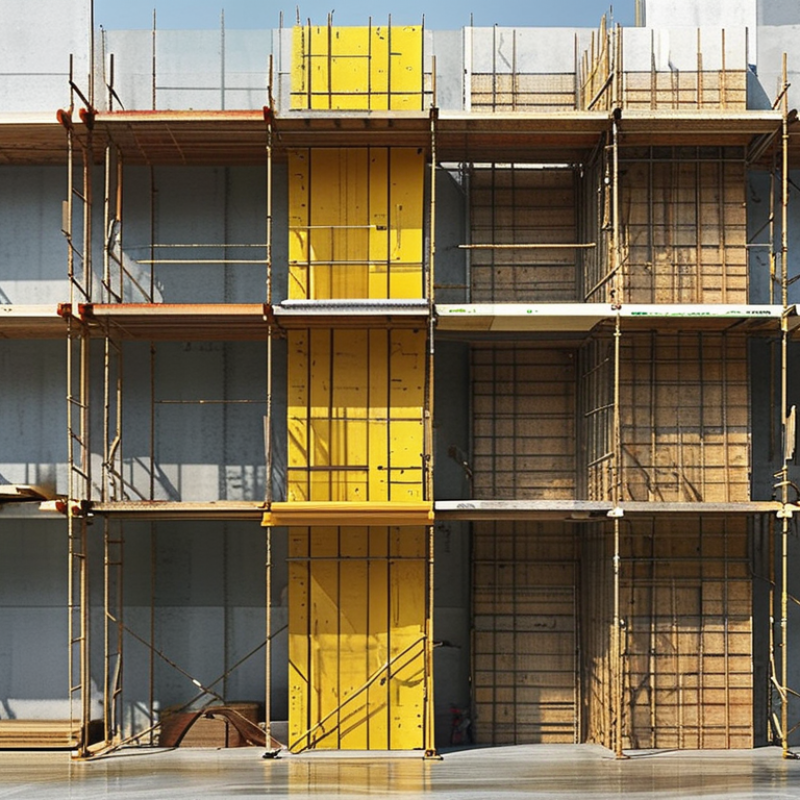
Understanding Scaffold Planks: Types and Materials Overview
Scaffold planks are critical for construction projects. Their material and type can impact safety and performance. Understanding the options available is essential for making informed decisions. Common materials include wood, metal, and fiberglass, each with unique characteristics.
Wooden planks are traditional. They are often made from pine or fir. These materials provide good strength and flexibility. However, wooden planks are susceptible to warping and can deteriorate quickly with exposure to moisture, requiring regular inspection. Data indicates that untreated wood can lose structural integrity within a few months outdoors.
Metal planks, like aluminum, offer durability. They are resistant to corrosion and can support heavier loads. However, they can be slippery when wet, posing safety risks. Fiberglass planks, while less common, have the advantage of being non-conductive, making them safer for electrical work. This option can be more expensive, and they may not be as readily available on job sites.
Choosing the right scaffold plank type involves weighing safety, cost, and environmental factors. Regular evaluations of available materials are vital for optimal decision-making. The industry must rely on data-based insights to enhance safety standards and material selection processes.
Top 10 Tips for Choosing the Best Scaffold Plank
This chart illustrates the weight capacity of different types of scaffold planks, which is an important factor to consider when choosing the right scaffold plank for construction projects. Each type of material has its own strength and limitations, which can impact safety and performance.
Key Factors Influencing Scaffold Plank Selection
When selecting a scaffold plank, it’s crucial to consider several key factors that directly impact safety and efficiency. The material of the plank plays a significant role. Wood, aluminum, and fiberglass have unique properties. Each has strengths and weaknesses. For instance, wooden planks can be strong but may degrade over time. Aluminum is lightweight yet might not be as durable under certain conditions.
Load capacity is another critical aspect. Ensure the chosen plank can support the maximum weight expected during use. Testing the load rating against your specific requirements is essential. Moreover, plank width influences stability. Wider planks offer more footing space, reducing the risk of falls.
You should also inspect planks regularly for damage. Frayed edges or cracks can indicate that a plank is no longer safe to use. Don’t overlook environmental factors, such as weather conditions, which can affect the choice of material. Choosing the right scaffold plank is a balance of durability, safety, and practicality. It's also wise to consult safety standards relevant to your region. This consideration reflects a commitment to maintaining a safe work environment.
Safety Standards and Guidelines for Scaffold Planks
When selecting scaffold planks, safety standards are crucial. The material must meet specific load requirements. Commonly, wood and aluminum are popular choices. Each type has unique features that impact safety.
Ensure the planks you choose comply with local codes and regulations. Regular inspections are a must. Look for visible wear or damage. A cracked or warped plank can lead to severe accidents. Neglecting this aspect compromises worker safety.
Understanding weight capacity is essential. Every scaffold plank has a rated load limit. Familiarize yourself with these figures. If unsure, consult an expert. The goal is to provide a secure working environment. Strive to prioritize safety in every choice.
Evaluating Durability and Load Capacity of Scaffold Planks
When selecting scaffold planks, evaluating durability and load capacity is essential. Durability refers to how well a plank withstands wear and tear. Consider the material used. Wood, aluminum, and fiberglass each have unique attributes. Wood is strong but may rot over time. Aluminum offers lightweight durability, while fiberglass resists electrical hazards and moisture.
Load capacity is another critical factor. It defines how much weight the plank can safely support. Always check the specifications provided by the manufacturer. Overloading a plank can lead to serious accidents. It's crucial to consider how many workers and materials will be on the plank at any time. Testing the planks under real conditions can reveal weaknesses. If a plank bends or creaks, it's a sign to reconsider your choice.
Maintenance impacts both durability and load capacity. Regular inspections are key. Look out for cracks, splinters, or signs of corrosion. Scaffolding can be an inherently risky environment. Prioritize safety by choosing reliable materials and understanding their limits. Reflecting on your choices will help ensure safety on-site.
Cost Considerations and Budgeting for Scaffold Plank Purchase
When budgeting for scaffold planks, cost is a significant factor. Understanding the type of planks required is essential. Different materials and sizes can dramatically affect pricing. For instance, wood and aluminum planks have varying costs, durability, and weight capacities. Assess your project size to determine the number of planks needed. This simple step can prevent overspending and material waste.
Consider the total budget beyond just purchasing costs. Maintenance and storage expenses play a role too. Planks require proper care to ensure safety and longevity. Damaged planks will not only impact budgets but also pose safety risks. Rent or buy based on frequency of use. If a project is short-term, renting might be more cost-effective.
Quality should never be compromised for cost. Low-priced planks may lead to higher long-term costs due to replacements. Always evaluate the safety standards of any scaffold plank. Investing in high-quality materials ensures both reliability and safety on the job. Create a budget that includes all these facets for a well-rounded financial plan.
Top 10 Tips for Choosing the Best Scaffold Plank
| Tip Number |
Consideration |
Details |
Cost Impact |
| 1 |
Material Type |
Choose between wood, aluminum, or fiberglass |
Aluminum is typically pricier but offers durability. |
| 2 |
Weight Capacity |
Ensure the plank meets your specific load requirements |
Higher capacity models can increase cost significantly. |
| 3 |
Length of Plank |
Select the correct length for your project site |
Longer planks usually cost more. |
| 4 |
Surface Texture |
Optimal grip is important for safety |
Planks with enhanced grip may be slightly more expensive. |
| 5 |
Environmental Resistance |
Consider weather and insulation ratings |
More resistant materials generally come at a premium. |
| 6 |
Compliance and Safety Standards |
Choose planks that meet local regulations |
Higher compliance costs may be necessary for safety. |
| 7 |
Ease of Handling |
Consider weight and maneuverability |
Lighter materials may reduce labor costs. |
| 8 |
Warranty and After-Sales Support |
Check warranty details and support options |
Better warranties may raise upfront costs. |
| 9 |
Supplier Reputation |
Research supplier reliability and feedback |
Choosing established suppliers may come at a higher price. |
| 10 |
Compare Prices |
Get multiple quotes for the same specifications |
Price variations can significantly affect budgeting. |

 +86 18531742341