Top 7 Ringlock Scaffolding Components You Must Know?
In the construction industry, the significance of Ringlock Scaffolding Components cannot be overstated. According to a report by the International Institute of Scaffolding Research, the global scaffolding market is expected to reach $58 billion by 2025. This growth underscores the critical role that innovative scaffolding systems play in maximizing safety and efficiency on job sites.
Jameson Taylor, a recognized expert in scaffolding systems, emphasizes, “Understanding Ringlock Scaffolding Components is essential for ensuring structural integrity.” His insights reflect the necessity for professionals to familiarize themselves with these key components. They are not just parts; they are vital to maintaining safety standards in construction.
However, many still overlook the intricacies of these systems, which may lead to safety hazards. The complexity of Ringlock scaffolding demands attention to detail. Improper assembly can compromise a project’s success. Workers must be trained consistently on all components, ensuring that the benefits of Ringlock scaffolding are fully realized while minimizing potential risks.
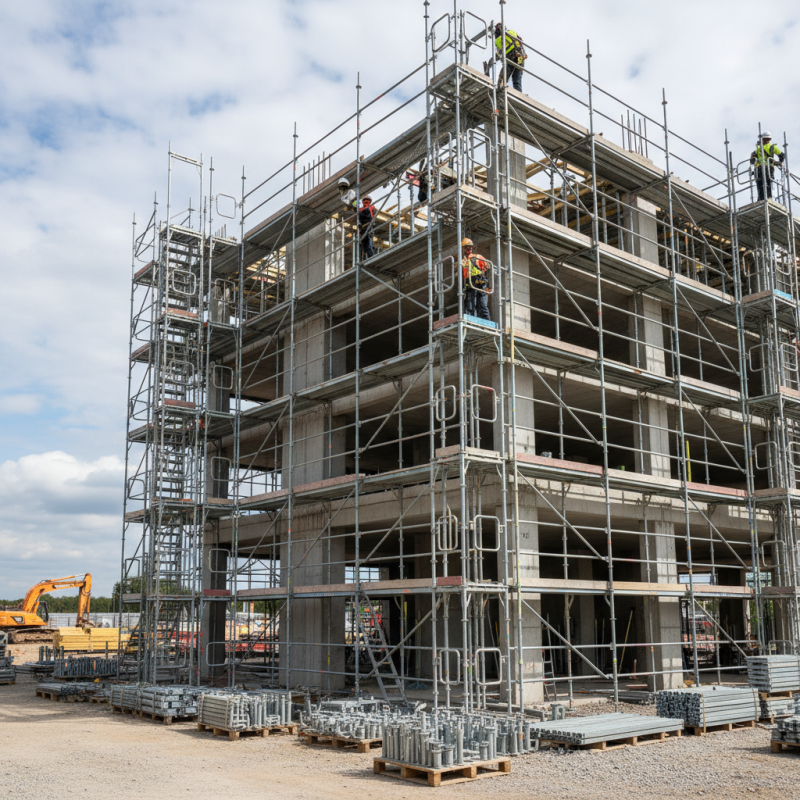
Key Features of Ringlock Scaffolding Components
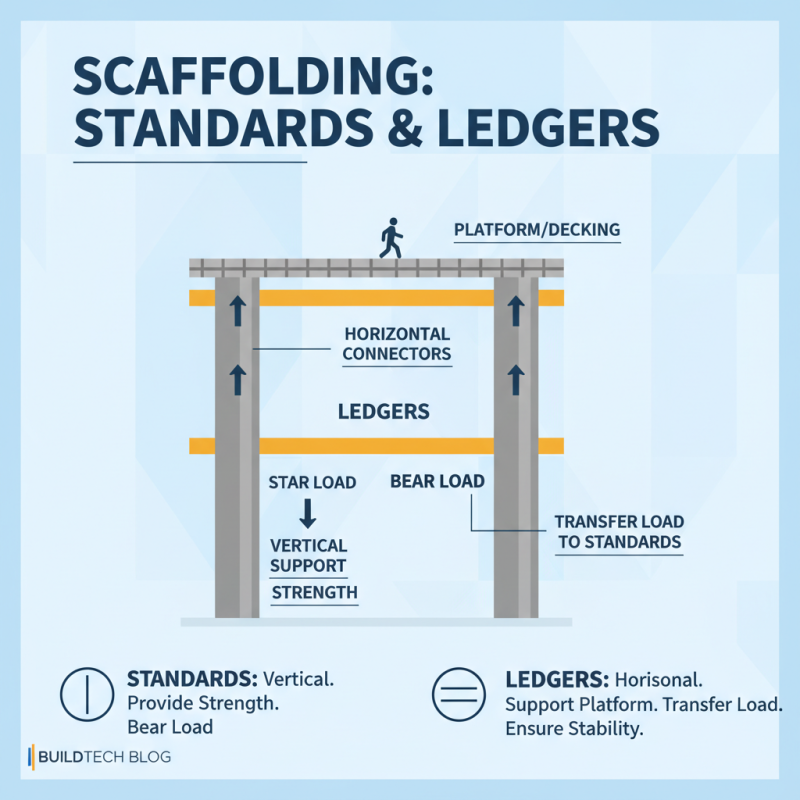
Ringlock scaffolding is widely used in construction due to its strength and versatility. The key features of the components play a vital role in its effectiveness. The standard and ledger are essential parts of this system. The standard is vertical and bears the load. It provides stability and strength for the entire structure. Meanwhile, the ledger connects the standards horizontally, ensuring rigidity.
Another critical component is the diagonal brace. It enhances the stability of the scaffolding by providing support against lateral forces. Without it, the entire system can become unstable. Moreover, the working platform is crucial. It offers a safe area for workers to perform tasks. This component must be well-constructed and regularly inspected.
Each component in ringlock scaffolding has a distinct role. However, improper assembly can lead to serious safety issues. It's important to have trained professionals for installation. Regular checks are necessary to ensure reliability over time. Attention to detail is crucial in maintaining safety standards in construction sites.
Exploring the Role of Transoms in Ringlock System
Transoms play a crucial role in the Ringlock scaffolding system. They act as horizontal supports, bridging between two vertical standards. This design enhances stability and distributes weight evenly. When properly installed, transoms offer an extra layer of safety for workers above. They can support working platforms, which is vital during construction tasks.
However, improper installation or misuse can lead to serious safety hazards. Transoms must be secured correctly to prevent any collapse. Regular inspections help identify wear and tear, ensuring the integrity of the scaffolding. It's essential to maintain a keen eye on these components. Inconsistent maintenance can lead to overlooked issues, which puts everyone at risk.
In summary, understanding transoms’ function is key for safe scaffolding practices. They are not just an add-on; they are fundamental to the overall structure. Proper training in their use and maintenance can significantly improve safety outcomes. Each project should prioritize thorough assessments of these components to ensure maximal safety and reliability.
Top 7 Ringlock Scaffolding Components You Must Know
This bar chart illustrates the key components of the Ringlock scaffolding system, highlighting their significance in construction projects. Each component plays a crucial role in ensuring stability and safety during use.
Importance of Braces for Stability and Safety
Braces play a crucial role in ensuring the stability and safety of ringlock scaffolding systems. These components are not just extras; they provide essential support to the scaffolding structure. Properly installed braces prevent swaying and collapsing when loads are applied. Without them, even well-constructed scaffolding can become a hazard during construction.
For safety, it's vital to inspect braces regularly. Look for signs of wear or bending. If a brace is compromised, it can lead to significant safety risks. Always replace damaged braces promptly. This simple action can protect workers from potential accidents.
Tips: Always use braces as specified in the design. Each scaffold needs its unique setup depending on the height and structure. Take time to understand the assembly instructions fully. A small oversight can lead to instability. Additionally, ensure that braces are fixed correctly to avoid any misalignment.
Assessing the Use of Decks and Guardrails in Scaffolding
Decks and guardrails play a critical role in
scaffolding safety. A well-constructed deck provides a stable working surface. This surface supports workers and materials.
According to the American National Standards Institute (ANSI), over
5,000 injuries occur in the U.S. each year due to inadequate
scaffolding safety measures. A secure deck can significantly reduce these incidents.
Guardrails serve as an essential line of defense. They prevent
falls from elevated worksites. The Occupational Safety and Health Administration (OSHA)
states that falls account for approximately 33% of all construction
fatalities. These statistics underscore the importance of guardrails. A proper installation of guardrails can drastically
enhance worker safety.
Despite regulations, not all scaffolding setups effectively use decks and guardrails. Some workers may overlook the
importance of these components. This negligence can lead to serious injuries.
Regular training and supervision are crucial. It ensures all construction personnel understand the necessity of these
safety features. Reinforcing the use of guardrails and decks is essential for any construction project aiming for
high safety standards.

 +86 18531742341