What is Ringlock Scaffold and Why is it Essential for Construction?
In today's construction industry, safety and efficiency are paramount. The Ringlock Scaffold system has emerged as a vital solution. Expert John Smith, a recognized authority in scaffolding technology, emphasizes, “Ringlock Scaffold provides unmatched versatility and safety on site.” This modular scaffolding system enhances the construction process through its easy assembly and adaptability to various heights.
Ringlock Scaffold features a unique design. It allows workers to build sturdy platforms quickly. It can support heavy loads and withstand harsh conditions. The interconnected, circular design ensures stability. Many companies are adopting it for both small and large projects. However, implementation varies based on specific site requirements and team experience.
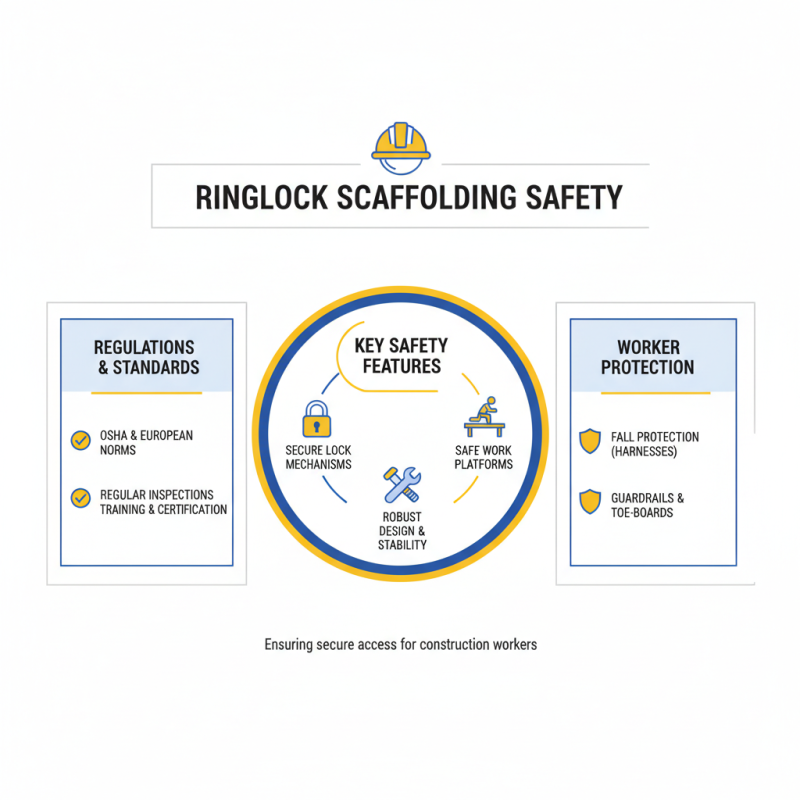
Attention to detail is crucial when using Ringlock Scaffold. Regular inspections and maintenance are necessary to avoid accidents. Moreover, some workers may struggle to adapt to the system initially. Companies must provide adequate training to ensure safety and efficiency. Overall, the Ringlock Scaffold revolutionizes how we approach construction, emphasizing the need for continuous improvement and education in practices.
Understanding Ringlock Scaffold: Definition and Components
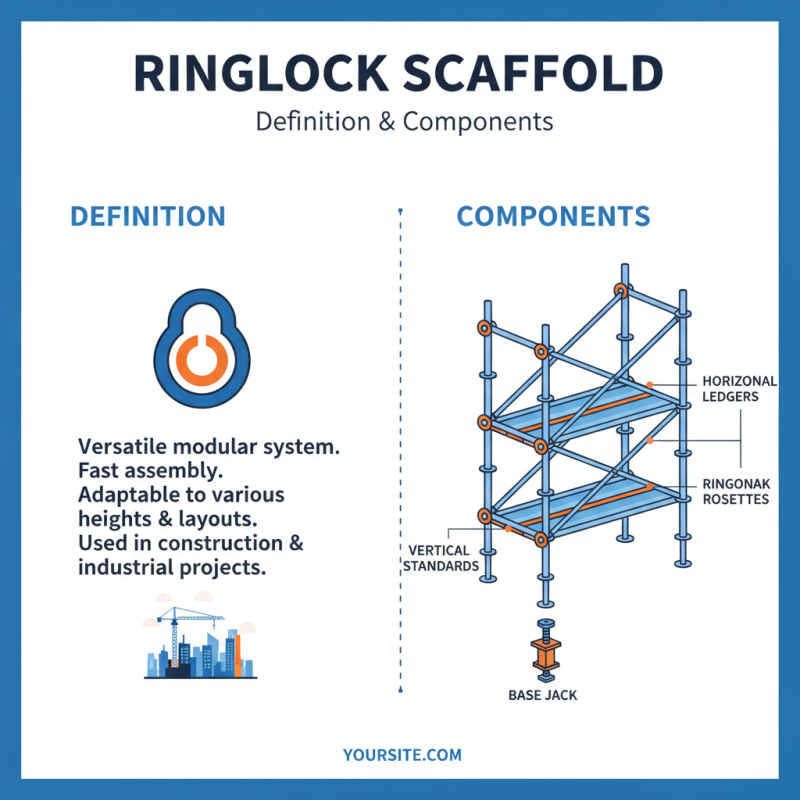
Ringlock scaffold is a versatile scaffolding system widely used in the construction industry. Its design incorporates several key components that provide stability and ease of use. The vertical standards serve as the main support structure. These pipes are connected with horizontal ledgers, forming a secure framework. They can quickly adapt to various heights and layouts, making them suitable for different projects.
One distinct feature of the Ringlock scaffold is its unique coupling system. It creates a secure connection between components without tools. This promotes efficiency on job sites. Additionally, the modular design allows for easy transportation and setup, significantly reducing labor costs. Despite these advantages, challenges can arise. Proper training is essential to ensure workers understand the system. Inexperience may lead to improper assembly, posing safety risks. It’s crucial to regularly inspect the scaffolds for wear and tear.
Understanding the key components of Ringlock scaffold helps construction teams utilize its full potential. When used correctly, it enhances workflow and safety. However, teams must remain vigilant about training and equipment checks. Regular safety audits can uncover issues that might otherwise go unnoticed. Attention to detail ensures a secure working environment, enhancing the overall efficiency of construction projects.
Key Benefits of Using Ringlock Scaffold in Construction Projects
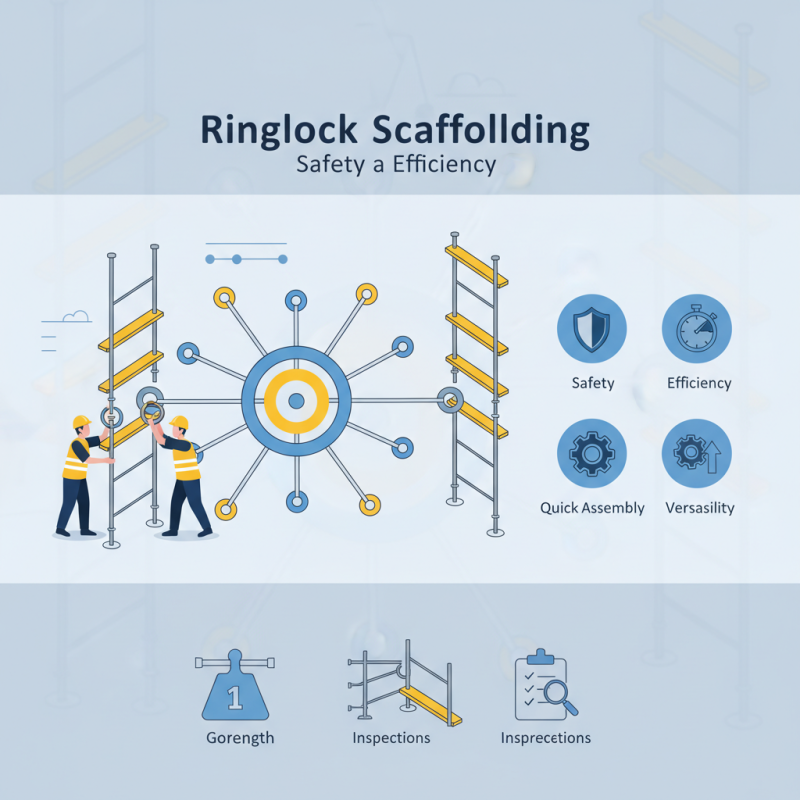
Ringlock scaffold is a versatile system used in construction. Its design promotes safety and efficiency on job sites. This scaffold features a unique locking mechanism that enables quick assembly and disassembly. Workers can easily create complex structures with it. This adaptability makes Ringlock a preferred choice in many projects.
One major benefit of Ringlock scaffold is its load-bearing capability. It can support heavy materials without compromising stability. Each component is engineered for strength and reliability. This results in enhanced worker safety. Additionally, the scaffold’s modular nature allows for adjustments. Crews can modify the setup according to specific project needs. This flexibility helps in managing various building heights and designs.
However, there are challenges too. Proper training is essential for safe use. Workers must fully understand the system to avoid accidents. Without training, the risk of mistakes increases. Regular inspections are necessary for maintaining safety standards. These practices ensure that the scaffold remains reliable throughout the project. Being aware of potential flaws can lead to safer job sites.
Comparing Ringlock Scaffold with Traditional Scaffolding Systems
Ringlock scaffold offers significant advantages over traditional scaffolding systems in modern construction. This system uses a unique locking mechanism, providing enhanced stability and strength. Unlike traditional methods, Ringlock allows for faster assembly and disassembly, saving valuable time on job sites. It consists of fewer components, which reduces the risk of missing parts and simplifies management.
Another critical aspect of Ringlock scaffolding is its adaptability. It can be adjusted to various heights and configurations, accommodating different project requirements. Traditional scaffolding often faces limitations in these areas, leading to potential safety hazards. Despite its benefits, Ringlock systems require proper training to maximize their safety and effectiveness. Using new technology can pose challenges for crews familiar with conventional methods.
Safety remains paramount in construction. Ringlock scaffolds are designed with safety in mind, though they are not immune to misuse. Workers must be vigilant and follow guidelines carefully. There is a learning curve for those transitioning from traditional systems. Addressing these aspects critically enhances the overall reliability of the scaffolding choice made on a site.
What is Ringlock Scaffold and Why is it Essential for Construction? - Comparing Ringlock Scaffold with Traditional Scaffolding Systems
| Feature |
Ringlock Scaffold |
Traditional Scaffolding |
| Flexibility |
High, adaptable to various shapes |
Moderate, limited to standard shapes |
| Ease of Assembly |
Quick assembly with minimal tools |
Requires more tools and time |
| Weight Capacity |
High weight capacity, suitable for heavy loads |
Varies, generally lower weight capacity |
| Safety |
Enhanced safety features |
Basic safety measures |
| Cost |
Higher initial investment but lower long-term costs |
Lower initial cost but higher maintenance |
| Durability |
Highly durable, resistant to corrosion |
Durability varies, often less resistant |
Applications of Ringlock Scaffold in Various Construction Settings
Ringlock scaffold is an innovative system that enhances safety and efficiency in construction. Its design allows for quick assembly and disassembly. This makes it well-suited for various construction settings, including residential, commercial, and industrial projects. Builders appreciate its versatility and reliability, which contribute to streamlined workflows.
In residential construction, Ringlock scaffold supports complex tasks like roofing and masonry. Workers benefit from stable platforms, reducing the risk of falls and injuries. In commercial settings, it facilitates work on multi-story buildings. The ability to adjust heights easily makes it ideal for façade work and window installation. Industrial sites use this scaffold for maintenance and repairs. Its strength and stability are crucial for heavy-duty applications.
However, challenges exist. Proper assembly requires skilled labor. Mistakes can lead to unsafe conditions. Regular inspections are necessary to ensure stability. Workers must be trained to recognize potential hazards. Despite these issues, the advantages of Ringlock scaffold often outweigh the drawbacks, ensuring a safer environment for construction teams.

 +86 18531742341