Why Choose Scaffold Tube for Your Construction Projects?
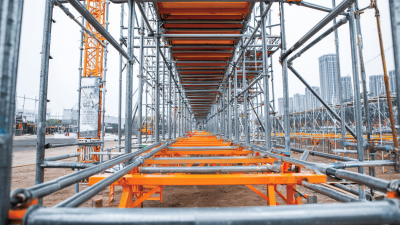
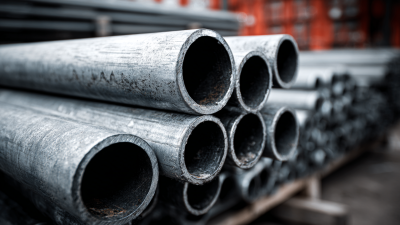
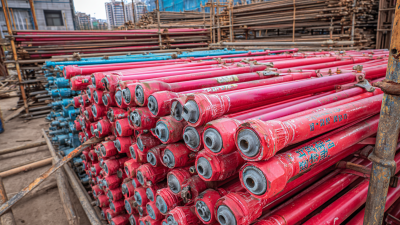
In the construction industry, choosing the right materials is crucial. One material that stands out is the Scaffold Tube. These tubes offer strength and versatility, making them an excellent choice for various projects. Made from high-quality steel, Scaffold Tubes are built to endure heavy loads. This durability ensures safety on site.
Additionally, Scaffold Tubes are easy to assemble and disassemble. This feature can save time during construction. Their lightweight design makes transport simple. However, some may overlook their importance in project planning. It’s easy to underestimate how crucial they are for stability.
Considering the environment is also vital. Scaffold Tubes can be reused multiple times, reducing waste. Choosing them shows responsibility towards sustainability. Yet, not all projects may benefit equally from them. Some construction types may require alternatives. Reflecting on these aspects can lead to better choices in material selection.

Benefits of Using Scaffold Tube in Construction Projects
When it comes to construction projects, scaffold tubes are a vital component. They provide excellent support and stability for workers and materials alike. Their versatility makes them suitable for various projects, from residential buildings to large commercial complexes.
Using scaffold tubes offers numerous benefits. They are lightweight yet strong, making them easy to handle. This helps to improve efficiency on the job site. Moreover, scaffold tubes can be easily assembled and disassembled, which saves time during setup. However, workers need to ensure proper installation to avoid accidents.
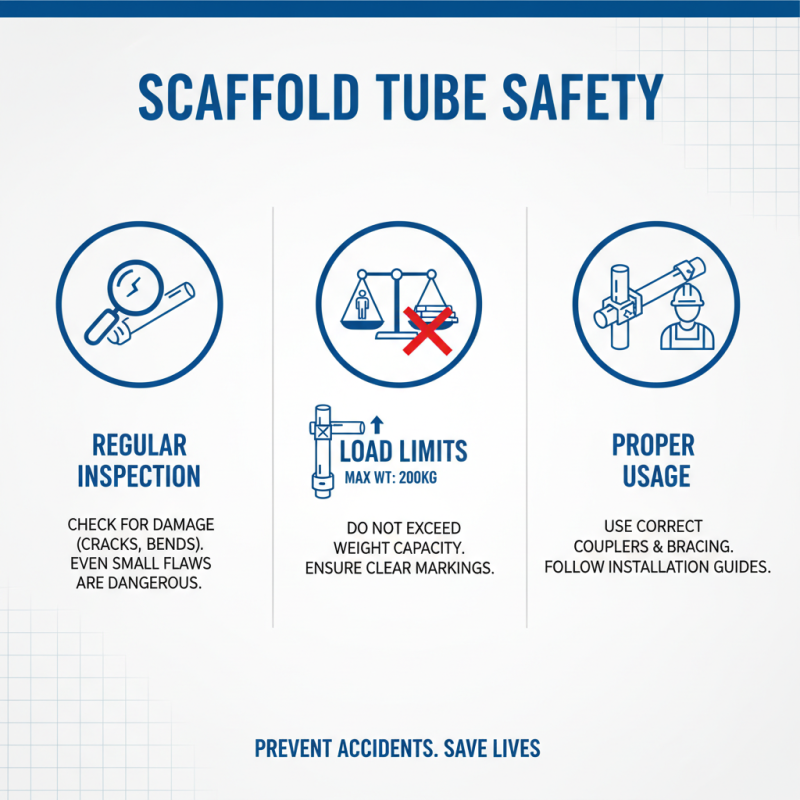
Tips for using scaffold tubes effectively: Always inspect the tubes for any damages before use. This simple step can prevent significant safety issues. Additionally, remember to provide training for workers on proper handling techniques. Even minor mistakes can lead to serious injuries.
Incorporating scaffold tubes can enhance project durability. They offer solid support over long spans. However, don't forget to assess your specific needs carefully. Each project is unique and requires a tailored approach for the best results. Take the time to plan thoroughly, and be open to adjustments as the project evolves.
Benefits of Using Scaffold Tube in Construction Projects
Comparative Analysis of Scaffold Tube vs. Other Scaffolding Materials
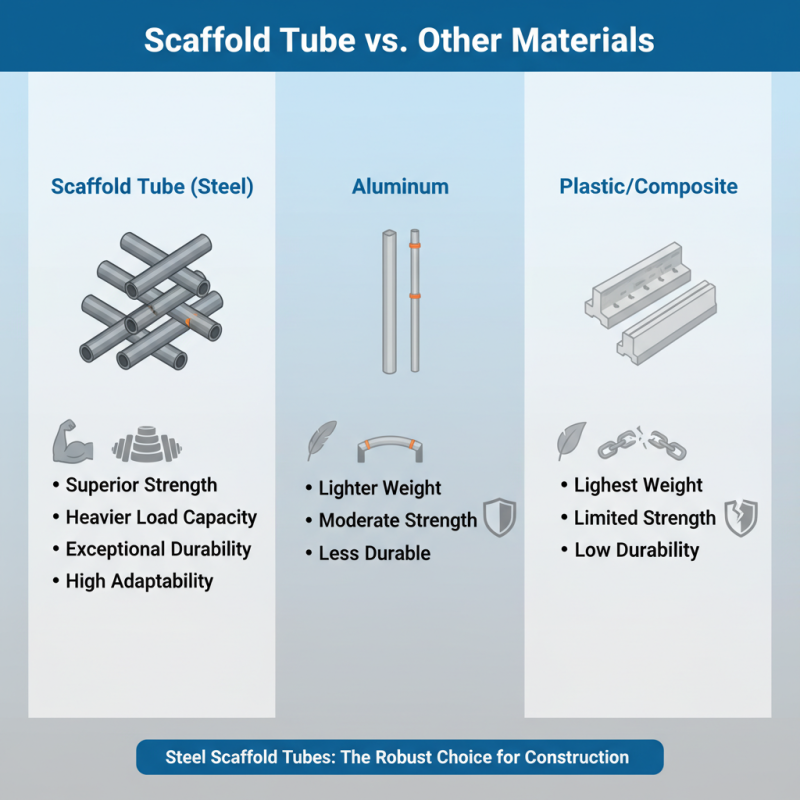
When evaluating scaffolding materials, scaffold tubes stand out for numerous reasons. They are often made from steel, which ensures durability and strength. This strength allows them to support heavier loads compared to materials like aluminum or plastic. Scaffold tubes adapt easily to various construction environments, which adds to their appeal.
However, relying solely on scaffold tubes can have drawbacks. They can be heavier, making transport and setup more labor-intensive. Workers may need additional equipment to lift and maneuver them. In contrast, lighter materials, such as aluminum, simplify these tasks but often lack the same load-bearing capacity. It's vital to weigh these factors when planning a project.
In many cases, using scaffold tubes alongside lighter materials can strike a balance. This mixed approach can enhance safety and efficiency on job sites. However, managing different types of scaffolding can lead to confusion. Keeping track of the weight limits and usage guidelines for each material requires careful planning and review. Each option comes with strengths and weaknesses that merit thoughtful consideration.
Installation and Maintenance Best Practices for Scaffold Tube
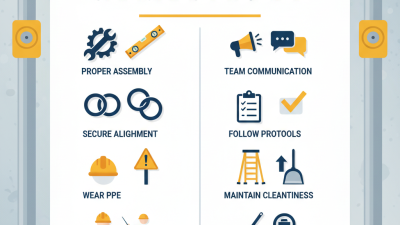
When using scaffold tubes, proper installation is crucial. Each tube should be securely fitted to ensure stability. An industry report indicated that improperly installed scaffolding contributes to over 30% of construction accidents. Therefore, rigorous adherence to safety standards cannot be overlooked. Regular training for workers on installation techniques can mitigate risks significantly.
Maintenance practices also play a vital role. Inspecting scaffold tubes for wear and tear should be routine. A study found that 25% of scaffold injuries arise from equipment not being regularly checked. Keeping an eye on rust, corrosion, or damage is essential. Some workers may neglect this step, leading to potentially dangerous situations.
Ventilated storage areas for scaffold tubes are necessary. If tubes are left exposed, weather elements can weaken them. Additionally, reinforcing communication among team members about any concerns can enhance safety. Many sites overlook the importance of clear communication, which can lead to confusion during installation or maintenance phases. A proactive approach can help avert mishaps in construction projects.
Why Choose Scaffold Tube for Your Construction Projects? - Installation and Maintenance Best Practices for Scaffold Tube
| Dimension |
Description |
Best Practice |
Maintenance Frequency |
| Tubing Diameter |
Standard tube diameters typically range from 48.3 mm |
Ensure the right diameter is selected for load requirements |
Check prior to installation |
| Weight Capacity |
Different scaffold tubes have varying weight limits |
Consult load charts for safe weight limits |
Analyze before each project |
| Surface Treatment |
Common treatments include hot-dip galvanizing |
Choose appropriate surface treatment for environmental conditions |
Inspect for corrosion every six months |
| Connection Type |
Common connection types include couplers and clamps |
Ensure all connections are secure before use |
Inspect daily during use |
| Safety Standards |
Must comply with local and national safety regulations |
Regularly review and update safety training |
Annually or as regulations change |
Cost-Effectiveness of Scaffold Tube in Long-Term Construction Use
Scaffold tubes are an excellent choice for construction projects, especially when considering long-term use. Their durability significantly cuts down replacement costs. While initially, they might seem pricey, this expense is offset by their longevity.
Tip: Consider inspecting the tubes regularly. This helps identify potential wear and tear early on. A proactive approach can save money in the long run.
Constructing scaffolds with these tubes ensures stability and safety. However, it’s crucial to balance cost and quality. Cheaper alternatives may lead to hidden risks. Always evaluate your project requirements thoroughly.
Tip: When selecting scaffold tubes, choose suppliers with a good reputation. Quality matters, even if the price is higher. Investing wisely here can prevent issues down the road. Remember, while saving money is important, safety should never be compromised.

 +86 18531742341