Best Scaffolding Components for Safe and Efficient Construction?
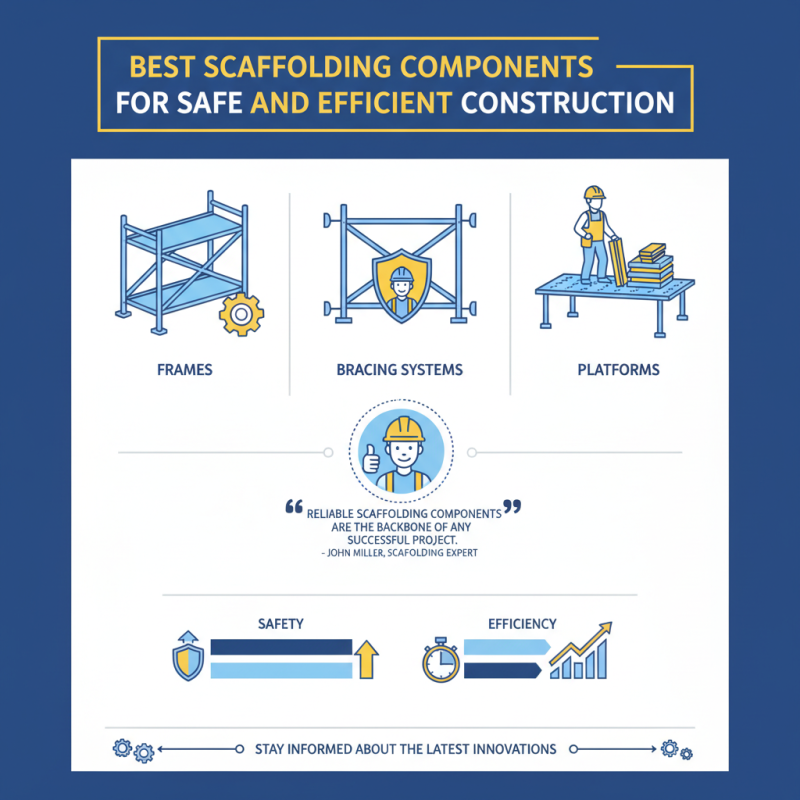
In the fast-paced world of construction, safety and efficiency are paramount. Choosing the right scaffolding components can make a significant difference. Renowned scaffolding expert, John Miller, once stated, “Reliable scaffolding components are the backbone of any successful project.” His words emphasize the importance of selecting high-quality materials.
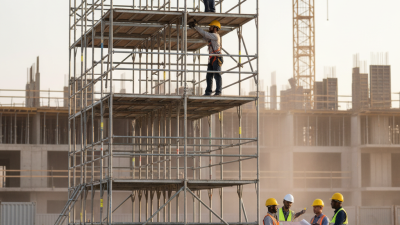
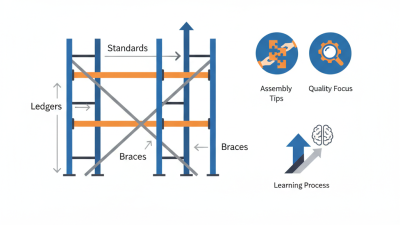
Scaffolding components include frames, bracing systems, and platforms. Each element plays a crucial role in supporting workers and materials. For instance, sturdy frames enhance stability, while proper bracing prevents accidents. However, even the best components can fail if not assembled correctly.
Reflecting on past projects, many construction teams have faced challenges due to inadequate scaffolding choices. It’s clear that the right components ensure not only safety but also productivity. Choosing wisely can lead to smoother operations. As the industry evolves, staying informed about the latest scaffolding innovations is vital. In this ever-changing landscape, one must always seek improvement in scaffolding practices.
Importance of Selecting the Right Scaffolding Components
Selecting the right scaffolding components is crucial for ensuring safety and efficiency on construction sites. According to a report by the Occupational Safety and Health Administration (OSHA), approximately 4,500 injuries occur annually in scaffolding-related incidents. This highlights the need for careful consideration when choosing scaffolding materials. A well-chosen scaffold can reduce risks significantly and improve work flow.
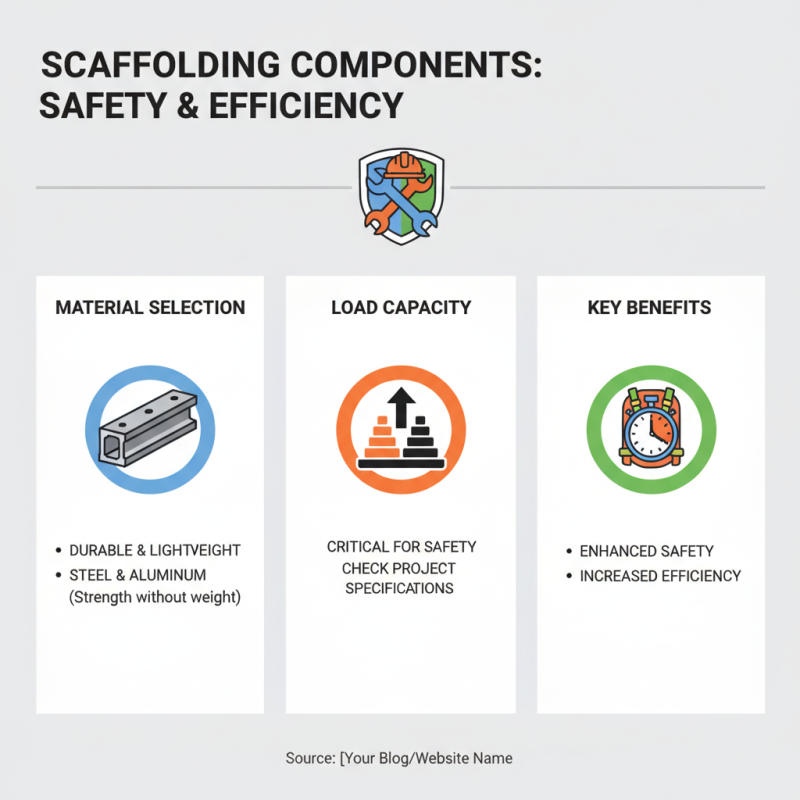
When selecting components, ensure they are certified and meet industry standards. Materials should be robust, yet lightweight. For instance, aluminum scaffolding is often preferred for its balance of strength and portability. Poorly selected components can lead to collapse and serious accidents. Always assess the specific requirements of your project to avoid costly mistakes.
Tip: Regularly inspect your scaffolding components. Look for any signs of wear or damage. Prompt replacements can prevent accidents. Another tip is to train workers thoroughly on scaffold safety. Misunderstanding how to use equipment can lead to injuries.
Choosing the right scaffolding components is not always straightforward. Sometimes, cost constraints push teams toward inferior options. This can compromise safety. Reflection on past projects can provide insights into better practices. Consider past incidents and adjust component selection accordingly.
Types of Scaffolding Components Used in Construction
When it comes to construction, scaffolding components play a vital role. These components ensure safety and efficiency on the job site. Some common types of scaffolding elements include frames, boards, and braces. Each component has a specific function that supports workers at height.
Frames serve as the backbone of the structure. They provide stability and shape. Boards, often made from wood or metal, create a platform for workers to stand on. Braces reinforce the frame, preventing wobbling. Each piece must be inspected regularly to maintain safety standards.
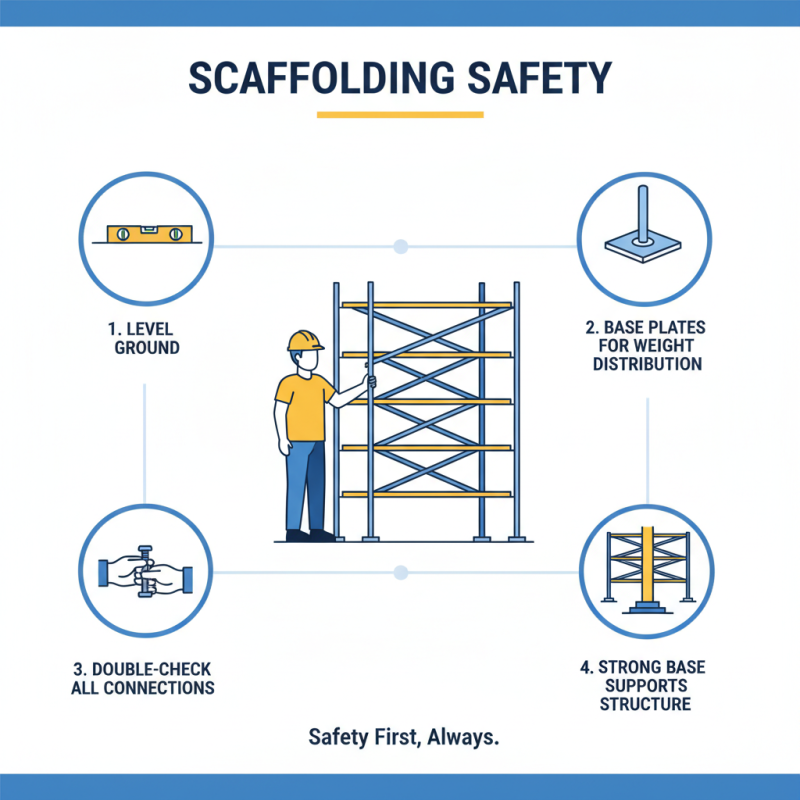
**Tip**: Always double-check connections and bolts before starting work. This can prevent accidents.
In addition to standard components, specialized elements exist. Adjustable legs help in uneven terrain. Guardrails offer extra protection from falls. Missing or damaged components should be reported immediately. Ignoring these issues can lead to serious risks.
**Tip**: Train workers to identify worn-out components. Regular training enhances safety and awareness.
Using the right combination of scaffolding components not only promotes safety but also boosts productivity. It's crucial to prioritize quality and reliability, as every detail matters on a construction site.
Best Scaffolding Components for Safe and Efficient Construction
| Component Type |
Material |
Load Capacity (per unit) |
Common Uses |
| Standards |
Steel |
2000 lbs |
Vertical support structure |
| Braces |
Aluminum |
1500 lbs |
Stabilizing structure |
| Platform |
Plywood |
1000 lbs |
Working surface |
| Couplers |
Steel |
N/A |
Connecting components |
| Toe Boards |
Wood/Composite |
N/A |
Prevent falling objects |
| Ladders |
Aluminum/Steel |
500 lbs |
Access to different levels |
Safety Standards and Regulations for Scaffolding
Safety is paramount in construction. Scaffolding must meet strict safety standards to protect workers. Regular inspections can help identify issues early. Hazards such as improper assembly and weakened components can lead to accidents. It’s essential to provide adequate training for personnel using scaffolding. Workers need to know how to identify risks.
Utilizing safety standards offers a framework for compliance. For instance, guidelines can specify load capacities, guardrails, and proper use of safety gear. Workers deserve a safe environment. Yet, some construction sites still overlook these standards. Regularly updating training and safety procedures is crucial in changing environments.
Actual incidents remind us of the dangers involved. Reports often highlight failures in following safety protocols. Reflecting on past mistakes helps improve current practices. A commitment to safety should be unwavering. Every small adjustment can prevent serious injuries. Staying vigilant is key to a safe working environment.

 +86 18531742341