How to Assemble Ringlock Scaffolding for Safe Construction Use?
Ringlock Scaffolding is vital for safe construction. This system offers solid support for workers at various heights. Its design is versatile and easy to erect. However, improper assembly can lead to accidents.
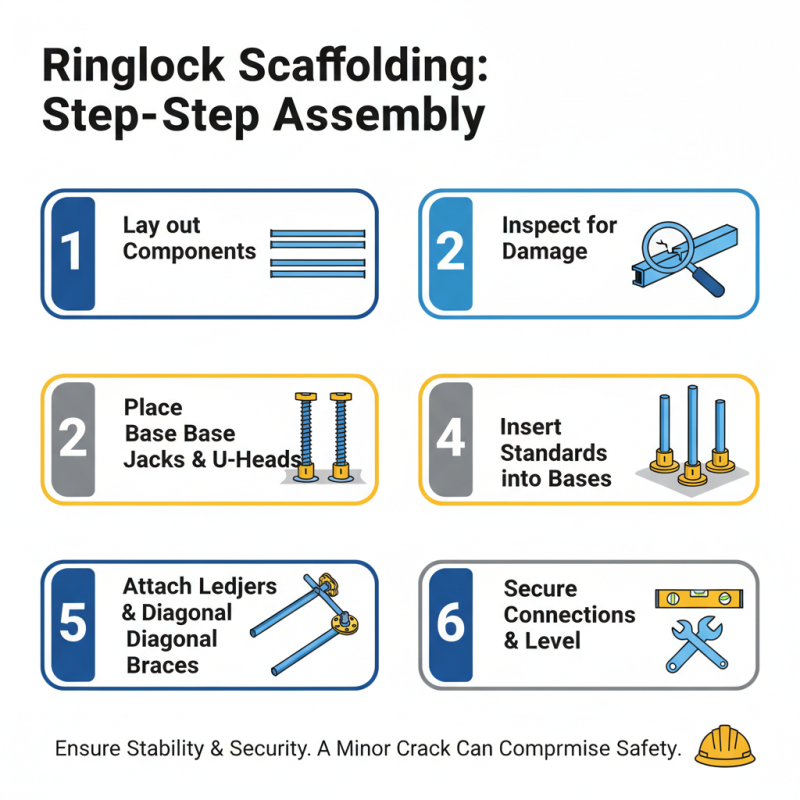
Assembling Ringlock Scaffolding requires attention to detail. Each component must be secured correctly to ensure stability. It's crucial to inspect the materials before starting. Missing or faulty parts can compromise safety. Workers should be trained and aware of the assembly process.
Even experienced builders can face challenges. Sometimes, alignment issues arise during setup. It’s essential to pause and reassess the structure. A hasty installation often results in problems. Safety should remain the top priority. Properly assembled Ringlock Scaffolding can significantly reduce risks on-site.
Understanding Ringlock Scaffolding Components and Their Functions
Ringlock scaffolding is essential for many construction projects. It consists of several key components, each with specific functions. The vertical standards are vertical rods that bear the weight. They connect with horizontal ledgers for stability. These ledgers create a platform for workers and materials.
Another crucial part is the diagonal braces. They enhance structural integrity, preventing swaying. Furthermore, the circular rosette at each connection point allows for easy assembly and adjustments. However, workers must regularly inspect these components. Small cracks or bends can lead to serious issues.
Moreover, while assembling, it's vital to follow guidelines. Each piece must fit snugly without forcing it. If connections feel loose, reevaluate the assembly. Over time, wear and tear can affect safety. Proper usage of Ringlock scaffolding saves lives. Yet, it’s also important to ask questions during setup. Communication among team members enhances safety and efficiency.
Preparing the Site for Safe Ringlock Scaffolding Assembly
Preparing the site for safe Ringlock scaffolding assembly is crucial. First, ensure the area is clear of debris. This helps prevent accidents during installation. Look for potential hazards, such as overhead lines and unstable ground. Mark these hazards clearly with cones or flags.
Next, check the ground conditions. Level ground is ideal for sturdy scaffolding. If the ground is uneven, consider shoring it up. Additionally, avoid areas with loose soil or recent excavation. Examine the weather conditions, too. Rain or wind can make assembly dangerous; choose a calm day for setup.
Gather your tools and materials before you start. This enhances efficiency and safety. Always have safety gear on hand, including helmets and harnesses. Double-check that your scaffolding components are undamaged. Any wear or tear can lead to failures, so inspect everything closely. Encourage open communication among the team. Address any uncertainties before beginning.
Ringlock Scaffolding Safety Checklist
This chart represents the compliance levels of different safety checklist items for assembling Ringlock scaffolding. Ensuring all areas are checked contributes to a safer construction environment.
Ensuring Stability and Safety During Ringlock Scaffolding Setup
Setting up ringlock scaffolding requires careful attention to stability and safety. Start by inspecting all components for damage. Check the standards, ledgers, and braces before assembly. Each piece must be free from rust or deformities. A slight flaw can lead to failure under weight.
Ensure that the ground is level before you position your scaffolding. Inadequate foundation may compromise the entire structure. Use base plates and adjustable screw jacks to achieve the right height. Sometimes, workers overlook minor adjustments, thinking they are unnecessary. This can undermine the scaffolding’s integrity.
During assembly, secure cross braces firmly. They provide essential lateral support. If braces are not locked properly, the risk of collapse increases. Also, maintain clear communication among the team members. Distractions can lead to mistakes. Finally, regularly revisit safety protocols as the scaffolding is used. A lapse in focus can lead to accidents, which are often preventable with diligence.
Regular Inspection and Maintenance of Assembled Ringlock Scaffolding
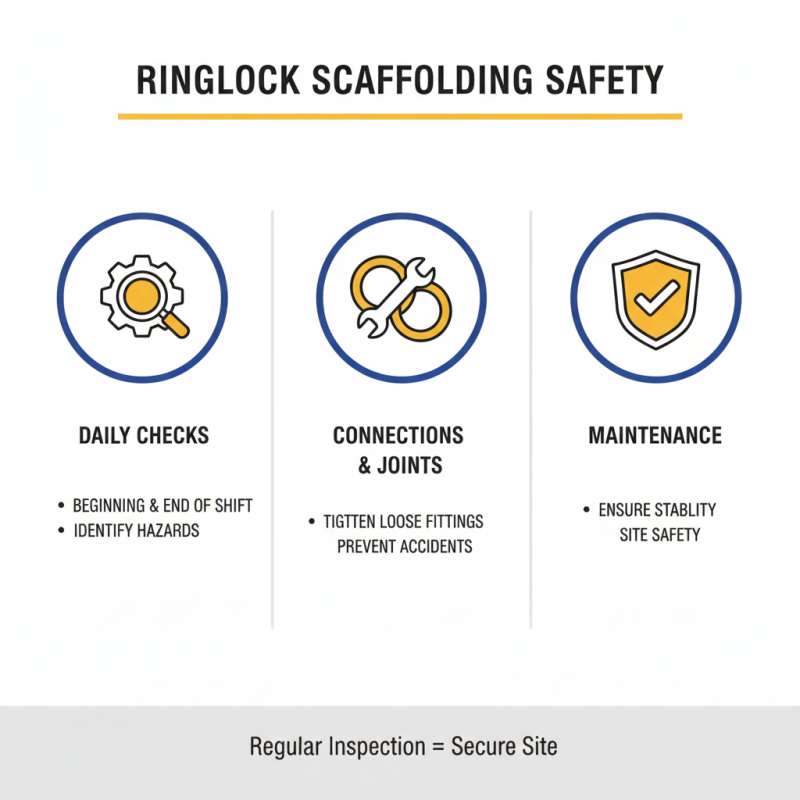
Regular inspection and maintenance of assembled ringlock scaffolding are crucial for ensuring safety at construction sites. Checking connections and joints is essential. Even small issues, like loose fittings, can lead to serious accidents. It is advisable to inspect scaffolding at the beginning and end of each workday. This habit helps identify potential hazards quickly.
Inspecting various components, such as the frames and planks, is equally important. Look for any signs of wear or damage. Sometimes, the surface of the planks may be uneven or splintered. These imperfections can create unsafe conditions. Routine checks can prevent these dangers. Don’t underestimate the danger of ignoring minor cracks or rust spots.
Keeping detailed maintenance records can help track inspections. Note down when repairs are made and if parts are replaced. This documentation can help identify patterns or recurring issues. A simple checklist can help make inspections thorough. However, complacency can creep in over time, leading to oversights. A fresh set of eyes can be helpful, so consider regular team reviews.

 +86 18531742341